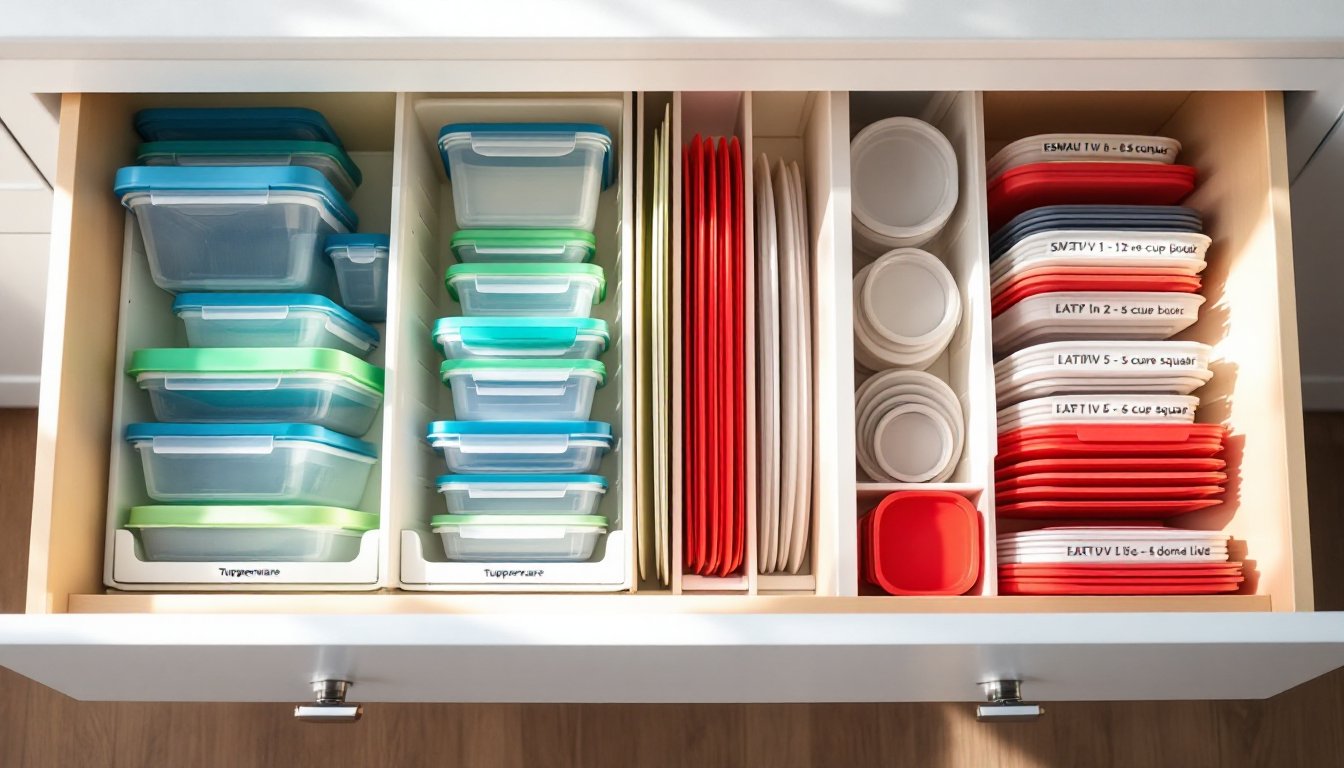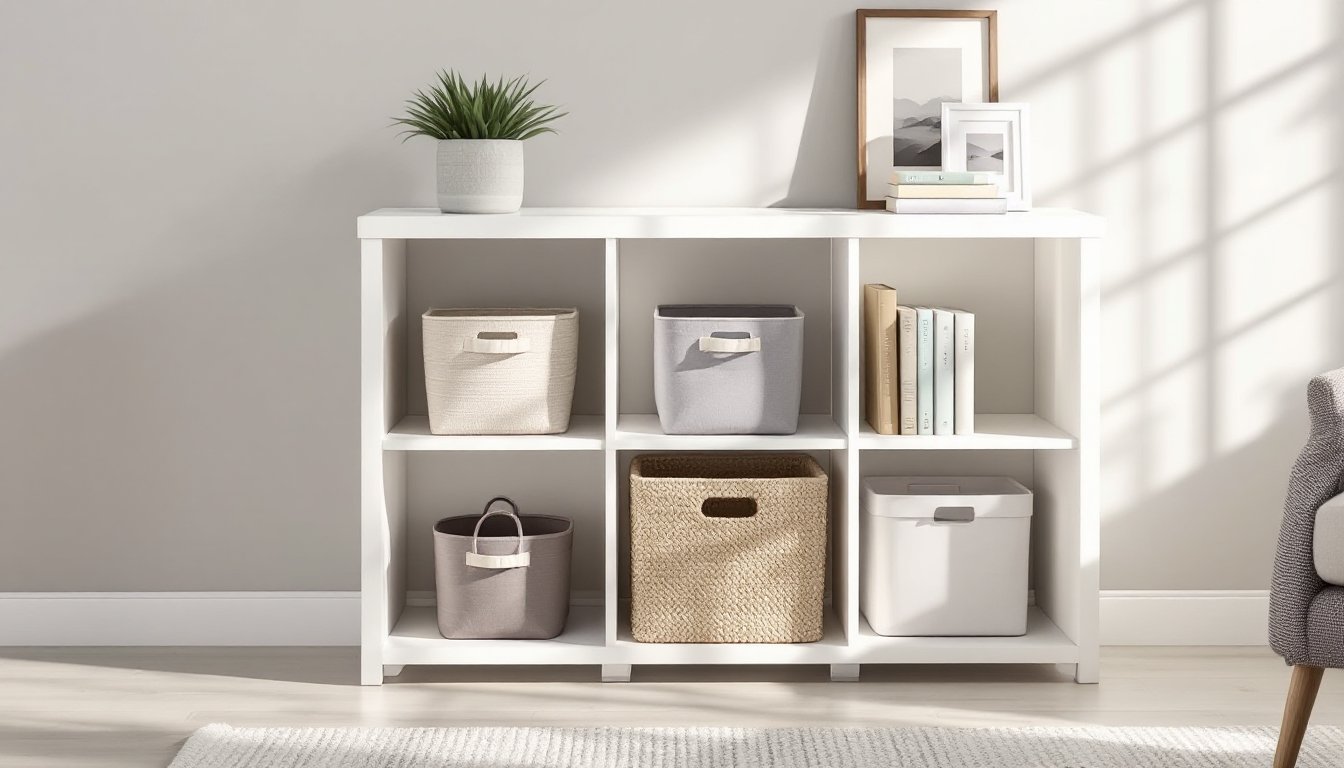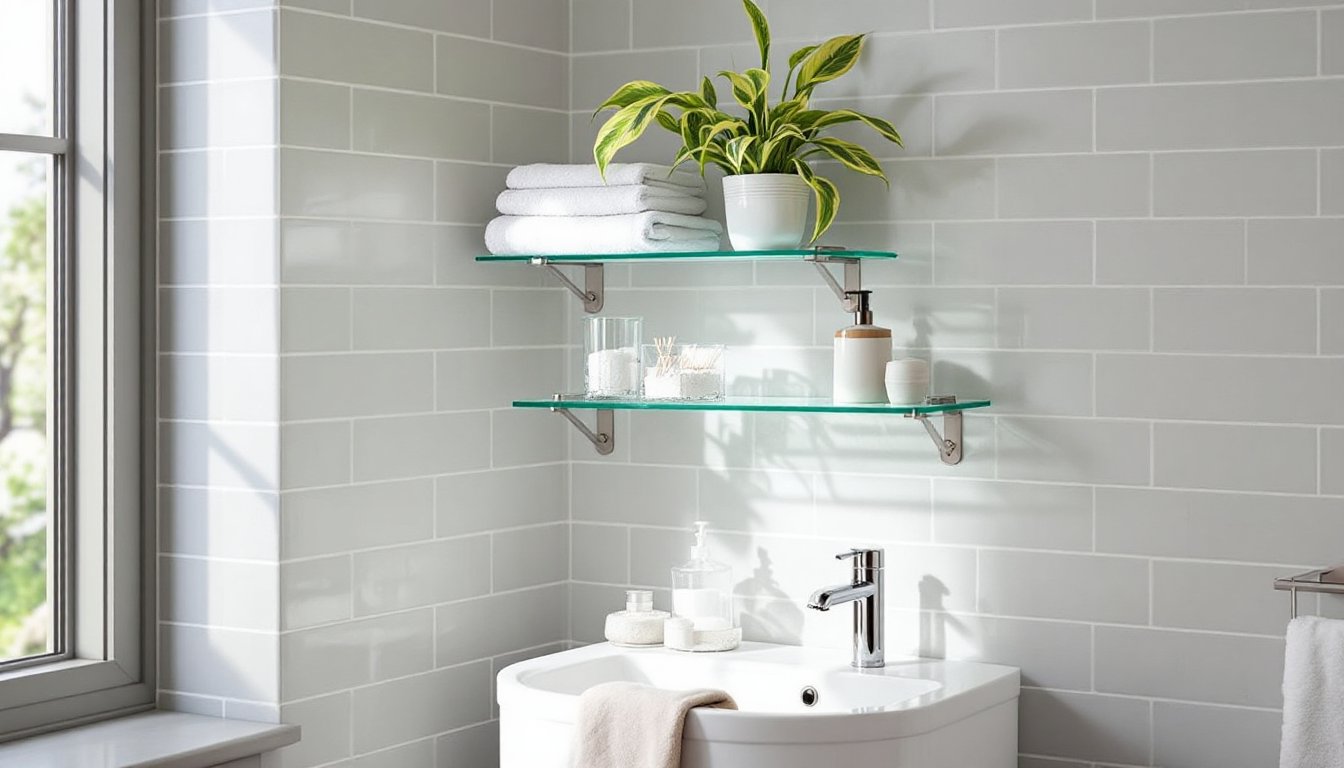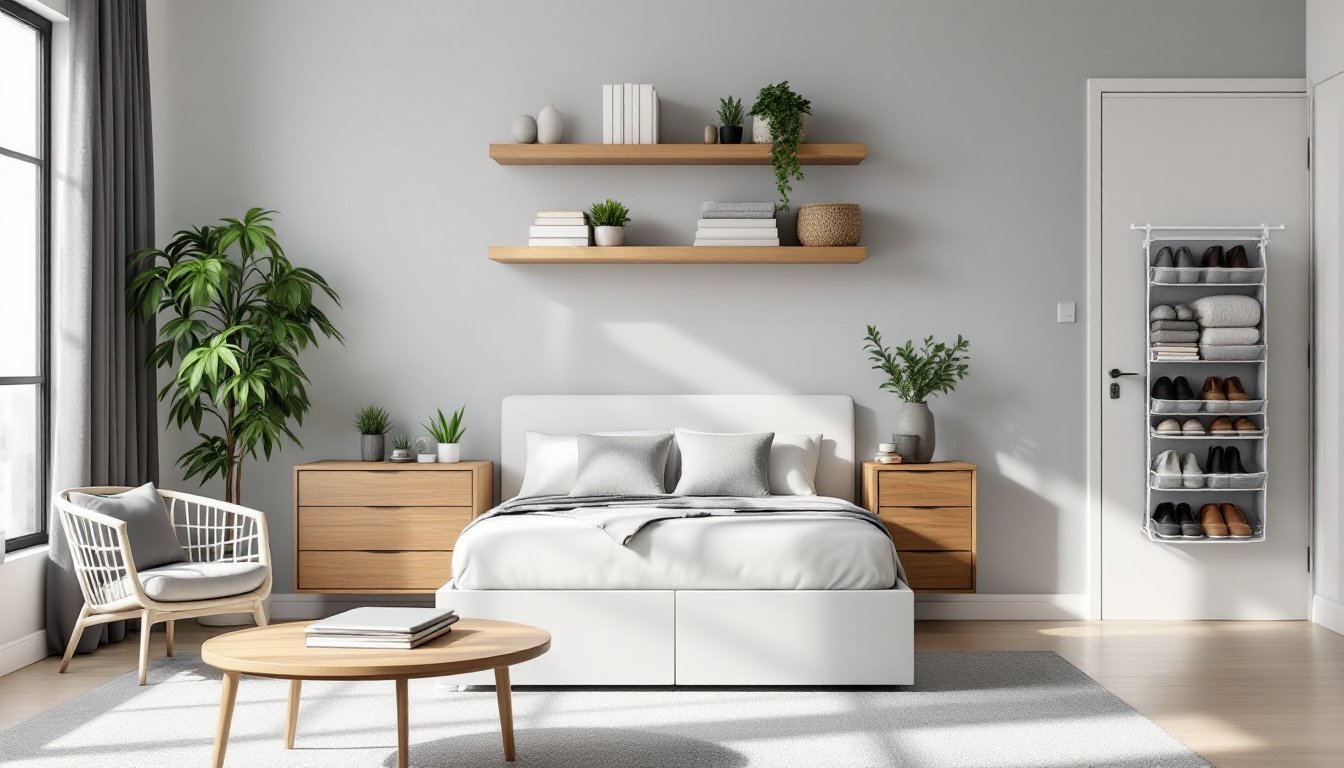
Living in a small apartment doesn’t mean living with clutter spilling out of every corner. The difference between a cramped space and a functional one comes down to strategic storage, using every vertical inch, dead zone, and furniture piece as an opportunity. Most renters and owners overlook dozens of storage possibilities hiding in plain sight, from the 12–18 inches under a bed frame to the back of a closet door. This guide walks through 15 proven storage solutions that DIYers can install themselves, often with nothing more than a drill, level, and a weekend afternoon. No fluff, no Pinterest boards, just practical ideas that actually reclaim square footage.
Table of Contents
ToggleKey Takeaways
- Strategic storage solutions for small apartments can reclaim up to 30% more usable space without structural renovations, leveraging vertical walls, under-bed areas, and furniture that serves multiple purposes.
- Vertical storage such as floating shelves, pegboard systems, and wall-mounted tracks transforms unused wall space (typically 40% underutilized) into accessible storage without consuming floor square footage.
- Multi-functional furniture like storage ottomans, lift-top coffee tables, and bed frames with built-in drawers double your footprint value by combining seating, surfaces, and storage in single pieces.
- Hidden storage opportunities exist in overlooked spaces—toe-kick drawers under cabinets, rolling carts in refrigerator gaps, and over-door organizers—that collectively add cubic feet of storage capacity.
- Closet organization systems featuring double-hang rods, adjustable shelves, and slimline hangers can increase hanging capacity by 20–30% and eliminate wasted volume in standard apartment closets.
- Renter-friendly storage solutions using tension rods, command strips, and damage-free mounting hardware allow you to implement proven storage systems without forfeiting your security deposit.
Why Smart Storage Matters in Small Living Spaces
Square footage costs money, sometimes $3–$5 per square foot per month in major metros. When a 600-square-foot apartment runs $2,400/month, every wasted cubic foot represents real cash.
But beyond rent, poor storage creates daily friction. Digging through stacked boxes wastes time. Clutter on counters makes meal prep harder. Clothing piled on chairs instead of hung properly leads to wrinkles and replacements.
Smart storage isn’t about buying more bins. It’s about designing systems that match how someone actually lives, shoes by the door, cooking tools within arm’s reach of the stove, seasonal items tucked overhead. The goal is to reduce decision fatigue and physical obstacles, making a small space feel 30% larger without knocking down walls.
Renters face added constraints: no major structural changes, security deposit on the line, and the need to reverse modifications at move-out. That means relying on freestanding solutions, damage-free mounting hardware, and furniture that pulls double duty.
Vertical Storage: Using Wall Space to Your Advantage
Most apartment dwellers use about 40% of their wall height. The space from shoulder level to ceiling, often 4–5 feet, sits empty while floor space overflows.
Floating shelves installed 12–18 inches below the ceiling line add storage without eating floor space. Use a stud finder to locate wall studs (typically spaced 16 inches on center), then mount shelves with brackets rated for at least 50 lbs if storing books or dishware. In drywall-only sections, use toggle bolts rated for 30+ lbs.
Wall-mounted pegboard panels turn vertical surfaces into modular storage. A 4×8-foot sheet of ¼-inch pegboard costs under $20 and accepts hooks, baskets, and shelves. Frame it out with 1×2 furring strips to create the ½-inch gap needed for hook insertion. Pegboard works in entryways for bags and keys, in kitchens for utensils, or in closets for accessories. Many small-space experts at Apartment Therapy showcase pegboard as a go-to for renters who need flexibility.
Track shelving systems (like wall standards with adjustable brackets) offer reconfigurable storage. Install the vertical standards into studs, then clip in brackets and shelves wherever needed. They handle heavier loads than typical floating shelves and adapt as storage needs change.
For renters avoiding permanent holes, tension rods placed high in alcoves or between cabinet tops and ceilings create hanging storage for lightweight items. Command strips rated for heavy-duty use (follow weight limits exactly) can mount shallow shelves or narrow ledges, though they won’t handle cookware or hardcover book collections.
Multi-Functional Furniture for Space-Saving Storage
Furniture that serves a single purpose is a luxury in small apartments. Every piece should earn its footprint twice over.
Storage ottomans provide seating, a footrest, and interior storage, typically 1.5–3 cubic feet. Look for hinged lids rather than removable tops (easier one-handed access) and reinforced frames if they’ll see daily use as seating.
Lift-top coffee tables reveal storage compartments and raise to dining or laptop height. The hydraulic hinges do the heavy lifting, and the hidden space (usually 4–8 inches deep) handles remotes, magazines, or throw blankets. Measure clearance before buying, some models need 12+ inches behind the table to fully open.
Murphy beds (wall beds) fold vertically into a cabinet, freeing 25–40 square feet during the day. DIY kits run $800–$2,500 depending on size and mechanism quality. Installation requires locating studs and mounting a heavy steel frame, expect a full day for a two-person job. Some building codes or lease agreements restrict wall beds, so confirm first.
Bed frames with built-in drawers add 8–12 cubic feet of storage. Platform beds with drawer banks on both sides replace a dresser entirely. Captain’s beds (with drawers and cubbies around the perimeter) work well in kids’ rooms or studios. Alternatively, add bed risers to a standard frame to increase under bed storage clearance from 6 inches to 12–14 inches, then slide in rolling bins.
Expandable dining tables with drop leaves or pull-out extensions seat two daily, six when needed, and some models include storage shelves or drawers in the base. Pair with stackable or folding chairs stored in a closet.
Hidden Storage Opportunities You’re Probably Missing
Dead zones exist in every apartment, overlooked gaps that add up to cubic feet of usable storage.
Toe-kick drawers beneath kitchen cabinets use the recessed 3–4 inch space at floor level. These shallow drawers (typically 3 inches tall, 24+ inches wide) store baking sheets, cutting boards, or flat cookware. Retrofit kits cost $40–$100 per drawer and install with basic tools, though you’ll need to remove the toe-kick panel first.
The gap between the refrigerator and counter (often 4–6 inches) fits a rolling pantry cart. Look for units 4–5 inches wide with casters that lock. They typically offer 3–5 shelves and slide out for access.
Above-door space and the backs of doors are prime real estate. Over-the-door organizers with pockets or hooks hold shoes, cleaning supplies, or pantry items. These hang on standard interior doors without screws, though heavier loads may require a door-mounted towel bar or coat rack screwed into the door’s solid wood core (avoid hollow-core door edges).
Corner spaces, especially in closets, waste volume. Corner shelving units or lazy Susans turn 90-degree angles into accessible storage. In kitchen corners, pull-out corner cabinet organizers (blind corner systems) bring items to you instead of forcing an awkward reach.
Window seats with hinged tops create storage in bay windows or alcoves. Build a simple frame from 2×4s, add a plywood top and piano hinge, then finish with cushions. A 4-foot-wide window seat offers 6–10 cubic feet of storage for linens, off-season clothing, or hobby supplies.
Under-Bed and Over-Door Solutions
The average bed sits 6–10 inches off the floor, creating 15–25 cubic feet of unused space. Rolling under-bed bins with lids keep contents dust-free and slide out easily, look for low-profile models (5–6 inches tall) with wheels on all four corners.
Vacuum-sealed storage bags compress bulky comforters, winter coats, and pillows to half their volume. Use these for seasonal items stored long-term, not for things accessed monthly (constant compression and release degrades some fabrics).
Bed skirts with pockets sewn into the interior add discrete storage for shoes, slippers, or books without visible clutter.
For over-door storage, multi-tier racks handle 12–24 pairs of shoes on the back of a bedroom or closet door. Adjustable hooks prevent door damage, and the vertical design uses just 6 inches of depth.
Creative Kitchen and Bathroom Storage Hacks
Kitchens and bathrooms in small apartments often share one problem: minimal cabinet space and maximum daily-use items. Compact storage solutions for small kitchens can reclaim significant counter space through vertical and modular systems.
Magnetic knife strips mount to walls or the side of a cabinet, freeing up counter space and keeping blades accessible. Install at least 48 inches above the floor, away from children’s reach. A 16-inch strip holds 6–8 knives.
Tension rods installed vertically inside cabinets create dividers for baking sheets, cutting boards, and lids. Place them 8–12 inches apart.
Tiered shelf risers inside cabinets or on counters double visible storage. Canned goods, spices, and mugs sit at different heights instead of stacking.
Rolling carts (often called bar carts or kitchen islands) add 2–6 square feet of prep surface and multiple shelves. Move them into position when cooking, then roll them against a wall or into a pantry. The Kitchn frequently features small kitchen solutions that prioritize mobility and multi-use design.
S-hooks on cabinet rods or under-shelf hang mugs, measuring cups, or dish towels. Use the underside of upper cabinets by screwing in small hooks or a narrow rod.
In bathrooms, over-toilet shelving units add three shelves in the 24–30 inches of vertical space above the tank. Freestanding models require no installation: mounted versions anchor to studs for heavier loads.
Shower caddies and corner shelves with suction cups or tension poles eliminate bottles on tub edges. Tension pole models wedge between tub and ceiling and hold 15–30 lbs across 3–4 tiers. Organization guides at Real Simple often highlight adhesive and tension-based bathroom organizers as renter-friendly options.
Drawer dividers and small bins in vanity drawers corral makeup, hair ties, and toiletries. Adjustable dividers (expandable plastic or bamboo) fit most drawer widths. Clear plastic storage bins help group similar items while maintaining visibility.
Closet Organization Systems That Actually Work
Standard apartment closets waste 40–50% of their volume with a single hanging rod and a shelf. Reconfiguring the layout doubles or triples usable storage.
Double-hang rods stack short garments (shirts, folded pants, skirts) in two tiers, using the same width. Install the top rod at 80 inches and the lower rod at 40 inches. Use closet rod sockets screwed into studs or heavy-duty anchors rated for 50+ lbs. This simple change often yields 30% more hanging space.
Modular closet systems with adjustable shelves, drawers, and rods adapt to changing needs. Wire shelving (ClosetMaid, Rubbermaid, etc.) costs $1–$3 per linear foot and installs with basic brackets. Laminate or wood systems run $5–$15 per linear foot but look more finished. Both types mount to wall studs: use a level during installation to prevent sagging.
Shelf dividers keep stacks of sweaters, jeans, or linens from toppling. Adjustable wire or acrylic dividers slip over shelves without tools and create 8–12 inch sections. Exploring closet storage ideas reveals dozens of divider and bin configurations tailored to different wardrobes.
Hanging organizers with cubbies (5–10 compartments) dangle from the closet rod and store shoes, bags, or folded items. Choose canvas or breathable fabric over vinyl to prevent mildew in humid climates.
Stackable storage bins on upper shelves handle seasonal clothing, extra bedding, or keepsakes. Clear bins make identification easier: label opaque bins on the front and top for visibility from below.
Hooks and pegboard on the inside of closet doors or side walls add space for belts, scarves, hats, or bags. Adhesive hooks work for lightweight items (under 2 lbs): screw-in hooks handle heavier coats or backpacks.
Pull-down closet rods bring high-hanging items within reach without a step stool. These spring-loaded rods mount 72–96 inches high and pull down to 60 inches for access.
Slimline hangers (velvet or flocked) reduce hanger thickness from ½ inch to ⅛ inch, adding 20–30% more hanging capacity in the same width. They also prevent garments from slipping.