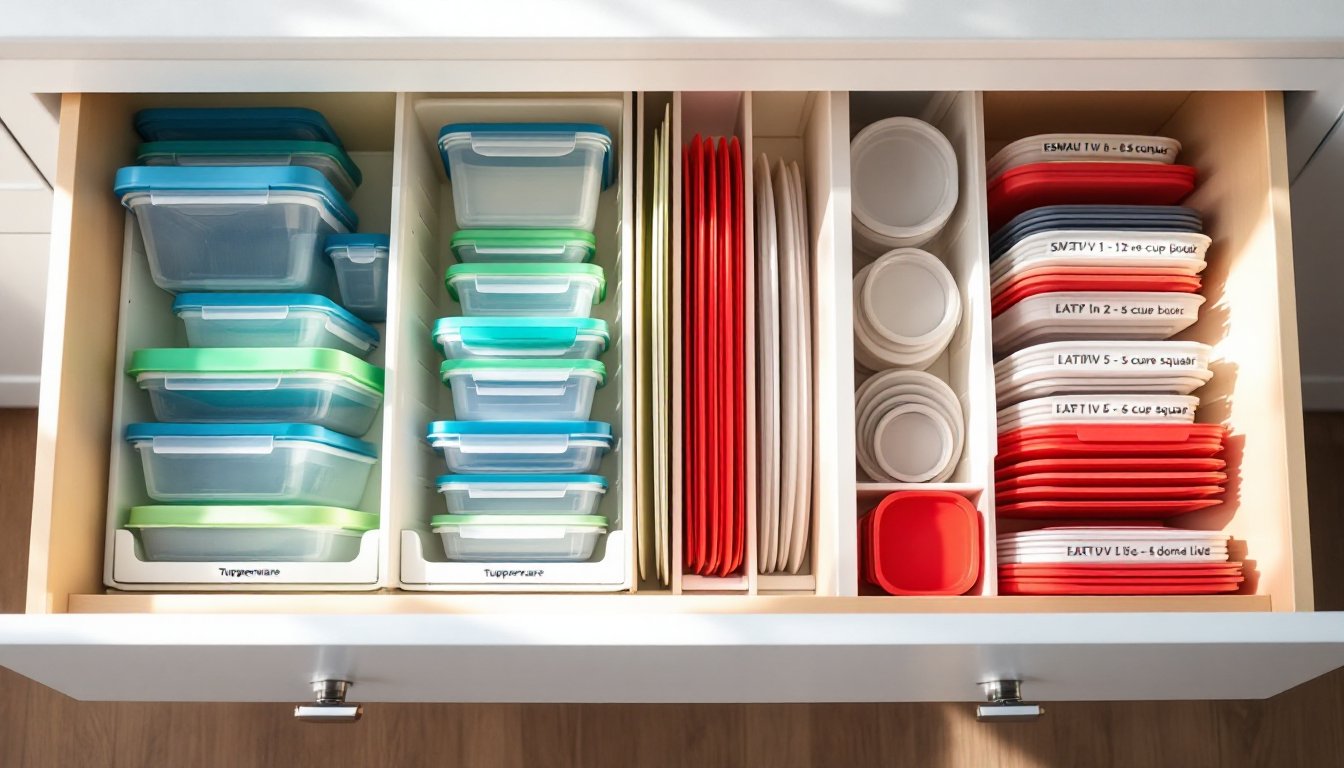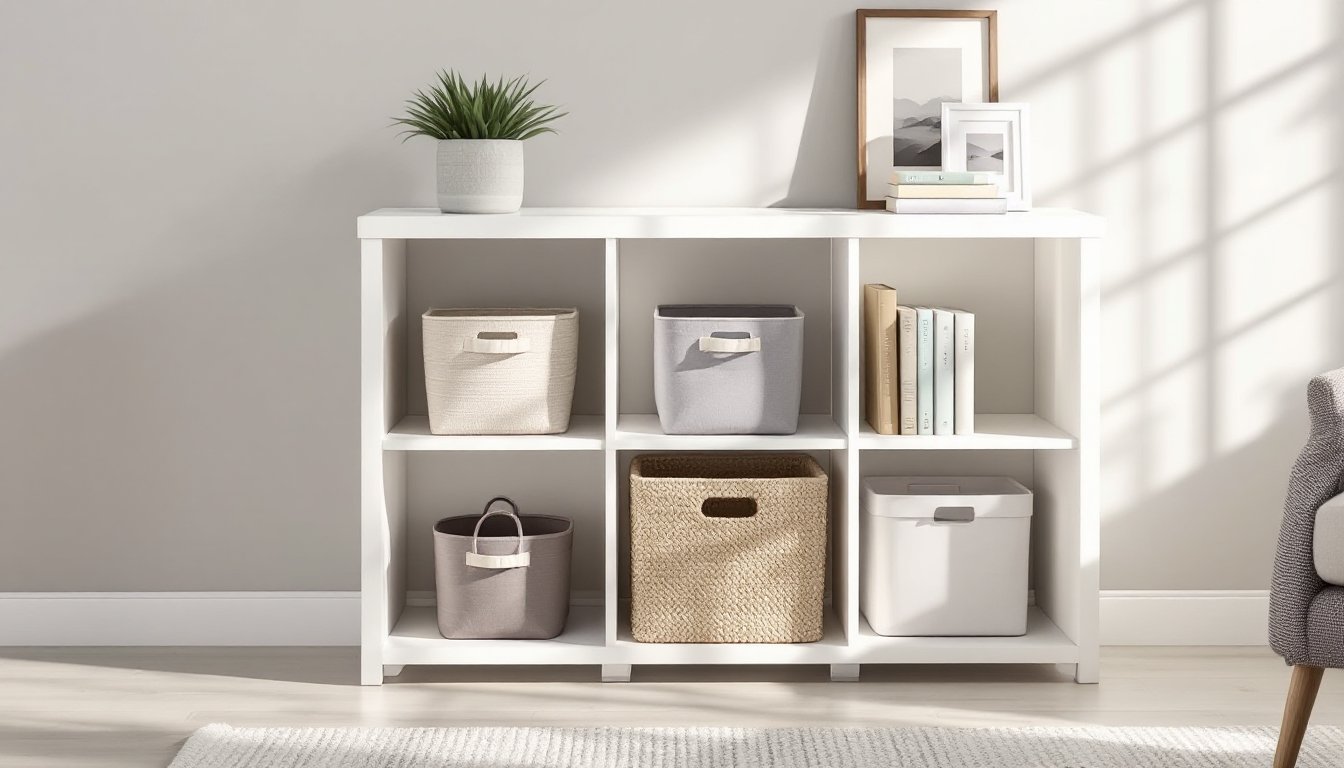
Cube storage systems have become the backbone of modern home organization, but without the right bins, they’re just empty frames collecting dust. The bins you choose transform these modular units from skeleton shelving into functional, attractive storage solutions. Whether you’re corralling kids’ toys in a playroom, taming craft supplies, or organizing a cluttered entryway, the right bins make all the difference. This guide cuts through the options to help you select bins that fit your cubes, your budget, and your actual needs.
Table of Contents
ToggleKey Takeaways
- Bins for cube storage transform empty shelving into functional organization systems by creating defined zones for categories while hiding visual clutter.
- Standard cube openings measure approximately 13 inches per side, requiring bins sized around 11–12.5 inches to allow proper clearance and easy removal.
- Fabric bins are budget-friendly ($5–$20) and ideal for lightweight items, while woven baskets cost more ($15–$40) but handle heavier loads and offer better aesthetics.
- Measure your cube openings precisely, consider what you’re storing (weight and moisture), and prioritize handle design and visibility features that match your household’s actual usage.
- Cube storage bins work across multiple spaces—from playrooms and offices to entryways and craft rooms—with material choice depending on traffic level, moisture, and whether children will access items.
- Clear or labeled bins improve accessibility, while solid bins provide visual calm; choosing the right balance based on how frequently you access items maximizes both function and appearance.
What Are Cube Storage Bins and Why Do You Need Them?
Cube storage bins are containers designed to fit standard cube organizers, those grid-style shelving units you see everywhere from bedrooms to garages. Most cube systems follow a fairly consistent dimension: the openings measure roughly 13 inches wide by 13 inches deep by 13 inches tall (actual dimensions vary slightly by manufacturer, but this is the nominal standard). Bins sized for these cubes typically measure around 11 to 12.5 inches per side to allow clearance.
Without bins, cube storage becomes a catch-all for visible clutter. With bins, you create defined zones for categories: one for charging cables, another for art supplies, a third for winter accessories. They hide visual chaos while keeping items accessible. For families, bins with handles let kids pull out entire toy categories without dumping the whole shelf. In offices, they corral paperwork and supplies without the need for a filing cabinet.
The right bins also protect contents from dust, critical if you’re storing seasonal items or fabrics. And unlike shelves with mixed loose items, bins are portable. Need to move craft supplies to the kitchen table? Grab the bin. Reorganizing the playroom? Swap bins between cubes without emptying them first.
One often-overlooked benefit: bins create a visual endpoint. When a bin is full, it signals it’s time to purge or reassess what you’re keeping. Without that boundary, clutter expands to fill available space indefinitely.
Types of Bins for Cube Storage Systems
Fabric Bins: Versatile and Budget-Friendly
Fabric bins (also called soft-sided bins or collapsible cubes) are the workhorse option for cube storage. They’re typically made from polyester, cotton canvas, or non-woven polypropylene, with cardboard or plastic inserts in the sides to maintain shape. Most include dual handles for easy removal.
These bins excel at storing lightweight to medium-weight items: clothing, linens, toys, books, craft supplies. They collapse flat when not in use, which makes storage between seasonal swaps simple. Fabric bins come in an enormous range of colors and patterns, so matching your decor is straightforward. Prices range from $5 to $20 per bin depending on material quality and features.
The downsides? They’re not waterproof, so avoid them in damp basements or garages without climate control. Cheaper models lose their shape after a year of heavy use, the cardboard inserts bend and the fabric stretches. Look for reinforced stitching at the handles and dual-layer construction if you’re storing heavier items like books or tools.
One practical detail: check whether the bin has a clear label window or sleeve. It’s a small feature that eliminates guesswork when you’re hunting for specific items. Some enthusiasts prefer making custom fabric bins to get exact fabric matches or unusual sizing.
Woven Baskets: Natural Style Meets Function
Woven baskets bring texture and warmth that fabric bins can’t match. Common materials include seagrass, water hyacinth, rattan, wicker, and paper rope. These bins suit spaces where aesthetics matter as much as function, living rooms, entryways, nurseries.
Woven baskets handle heavier loads than fabric bins because of their rigid construction. They’re ideal for storing throw blankets, magazines, or bulkier toys. The natural materials also breathe, which makes them better for storing items that benefit from air circulation (like athletic gear that might retain moisture).
The tradeoffs: woven baskets cost more, typically $15 to $40 per bin. They don’t collapse for storage, and they can snag delicate fabrics. Some have rough interiors that aren’t suitable for storing clothing without a liner. And while the natural look is appealing, color options are limited to the material’s inherent tones, usually tans, browns, and grays.
If you’re using baskets in high-traffic areas, inspect the weave quality. Cheap baskets shed fibers and fall apart within months. Look for tight, consistent weaving with no loose ends. Handles should be reinforced where they attach to the basket body, this is the most common failure point.
How to Choose the Right Bins for Your Cube Storage
Start by measuring your cube openings. Don’t assume they’re standard. Grab a tape measure and check the interior width, depth, and height. Subtract at least half an inch from each dimension to account for clearance, bins that fit too snugly are frustrating to remove and can damage both the bin and the cube frame.
Next, consider what you’re storing. Heavy items like books or hand tools need rigid bins, either hard plastic or sturdy woven baskets. Lightweight items like scarves, toys, or craft supplies work fine in fabric bins. If you’re storing anything that could leak, spill, or attract moisture (cleaning supplies, pet items, garage overflow), hard plastic is the only sensible choice. The principles of organizing with plastic bins apply equally to cube storage contexts.
Handle design matters more than most people realize. Dual handles centered on opposite sides make removal easier than single handles or cutout grips. Test the handle strength if possible, many fabric bins have handles that rip away from the body after a few months of use.
Visibility is another decision point. Solid bins hide clutter, which can be visually calming but makes finding items harder. Clear or mesh bins (common in plastic and some fabric options) let you see contents at a glance. A middle ground: bins with label windows or chalkboard tags.
For homes with kids, choose bins they can actually use. Lightweight fabric bins with large handles work better than heavy woven baskets for children under eight. Avoid bins with lids for frequently accessed items, they’re just obstacles that get left off permanently.
Finally, think about how the space is used. High-traffic areas like entryways or playrooms benefit from durable, easy-to-clean materials. Low-traffic storage (like seasonal decor or archived paperwork) can use less expensive bins since they’re handled infrequently. And if the cube storage is in a visible area where guests see it, aesthetics become part of the equation, mismatched bins look chaotic even if they’re functional.
Creative Ways to Use Cube Storage Bins Throughout Your Home
In kids’ rooms and playrooms, cube storage with bins creates a simple cleanup system even young children can manage. Assign each bin a category (stuffed animals, building blocks, art supplies, dress-up clothes) and add picture labels for pre-readers. Clear bins work well here, kids can see what’s inside without dumping everything.
For entryways and mudrooms, use bins to create individual family member zones. Each person gets a cube with a bin for their everyday items: keys, sunglasses, dog leashes, reusable shopping bags. Woven baskets add a polished look in entryways that guests see immediately. Taller bins can hold umbrellas or walking sticks.
Home offices benefit from cube storage as an alternative to traditional filing cabinets. Use fabric bins with label windows for different project categories, client files, or supplies. One bin for cables and chargers prevents the drawer full of tangled cords. Another for printer paper and envelopes keeps restocking simple. Cube systems work especially well in small offices where you need storage density without the visual bulk of a full cabinet.
In craft rooms and workshops, cube storage keeps supplies sorted and visible. Transparent plastic bins work well for small items like buttons, beads, or hardware. Fabric bins can hold larger supplies like yarn, fabric scraps, or sandpaper sheets. The modular nature of cube systems means you can reconfigure as your hobby needs change. According to organization experts at Real Simple, zones based on project types reduce setup and cleanup time significantly.
Bathrooms and linen closets can use smaller cube systems (some manufacturers make half-height cubes) with bins for toiletries, cleaning supplies, or rolled towels. Choose water-resistant materials, plastic or treated fabric, since bathroom humidity affects untreated natural fibers. Small spaces benefit from the advice found at Apartment Therapy, which emphasizes vertical storage solutions in tight quarters.
For living rooms, cube storage with attractive bins hides the everyday chaos of family life while displaying decorative items on open cubes. Mix bins with books, plants, or framed photos to avoid the storage-locker look. Woven baskets containing throw blankets, board games, or remote controls keep the space functional without broadcasting “this is storage.”
One unconventional use: garage or basement organization for items that don’t require weatherproof storage. Bins can organize seasonal decorations, sporting equipment, or camping gear in climate-controlled spaces. Label clearly and stack cube systems to maximize vertical space. Just ensure the cube frame itself is sturdy enough for garage use, some lighter particleboard units aren’t suitable for heavy garage storage.
Conclusion
The right bins transform cube storage from basic shelving into a tailored organization system. Measure your cubes accurately, match bin type to contents, and choose materials that fit both your budget and how you actually use the space. Whether you go with budget fabric bins or invest in woven baskets, the difference between organized and cluttered often comes down to those 13-inch cubes.