Vancouver homes face a unique storage challenge. The city’s real estate market pushes many homeowners into condos, townhouses, and older character homes with limited square footage and quirky layouts. Add the rainy climate, which means wet gear, seasonal clothing swaps, and outdoor equipment that can’t live outside year-round, and storage becomes a critical design problem, not just an organizational preference. Whether dealing with a 600-square-foot condo or a 1920s bungalow with minimal closets, Vancouver residents need creative, space-efficient storage that works with their lifestyle and budget.
Table of Contents
ToggleKey Takeaways
- Vancouver storage solutions must account for limited square footage in condos and older homes, plus moisture-heavy climates that require indoor or climate-controlled storage for gear and seasonal items.
- Custom shelving and vertical storage systems maximize space in small Vancouver homes; always anchor into wall studs (not drywall) to meet seismic safety codes and prevent sagging.
- DIY storage projects like pegboard walls, floating shelves, and under-bed rolling boxes deliver cost-effective results for renters and condo owners who face restrictions on permanent structural modifications.
- Room-specific strategies—drop zones with cubbies for wet gear, pull-out cabinet shelving for kitchens, and clear closet organization—align storage solutions Vancouver homeowners choose with how they actually live.
- Measure twice, use proper fastening techniques, and consult professionals for structural work or complex layouts to avoid costly mistakes in older homes with unexpected framing or electrical systems.
Why Vancouver Homes Need Creative Storage Solutions
Vancouver’s housing stock wasn’t built for modern living. Many older homes feature minimal closet space, steep staircases, and floor plans that prioritize charm over function. New condos maximize rental income per square foot, which translates to smaller units and tighter dimensions.
The climate adds another layer. Rain gear, ski equipment, kayaks, bikes, and gardening supplies all need dedicated storage. Unlike drier climates where items can live in a shed or garage year-round, Vancouver’s moisture requires indoor or climate-controlled solutions to prevent mold and rust.
Then there’s seismic reality. Vancouver sits in an earthquake zone, so any storage solution, especially overhead or wall-mounted units, needs to be anchored securely to studs, not just drywall. Building codes under the BC Building Code require proper fastening for safety, particularly for heavy shelving or cabinetry.
Finally, many Vancouver homes are strata properties, which means restrictions on structural modifications. Renters and condo owners often can’t knock out walls or add permanent built-ins without approval, pushing them toward modular, removable solutions that still deliver function.
Best DIY Storage Solutions for Small Vancouver Spaces
Custom Built-Ins and Shelving Projects
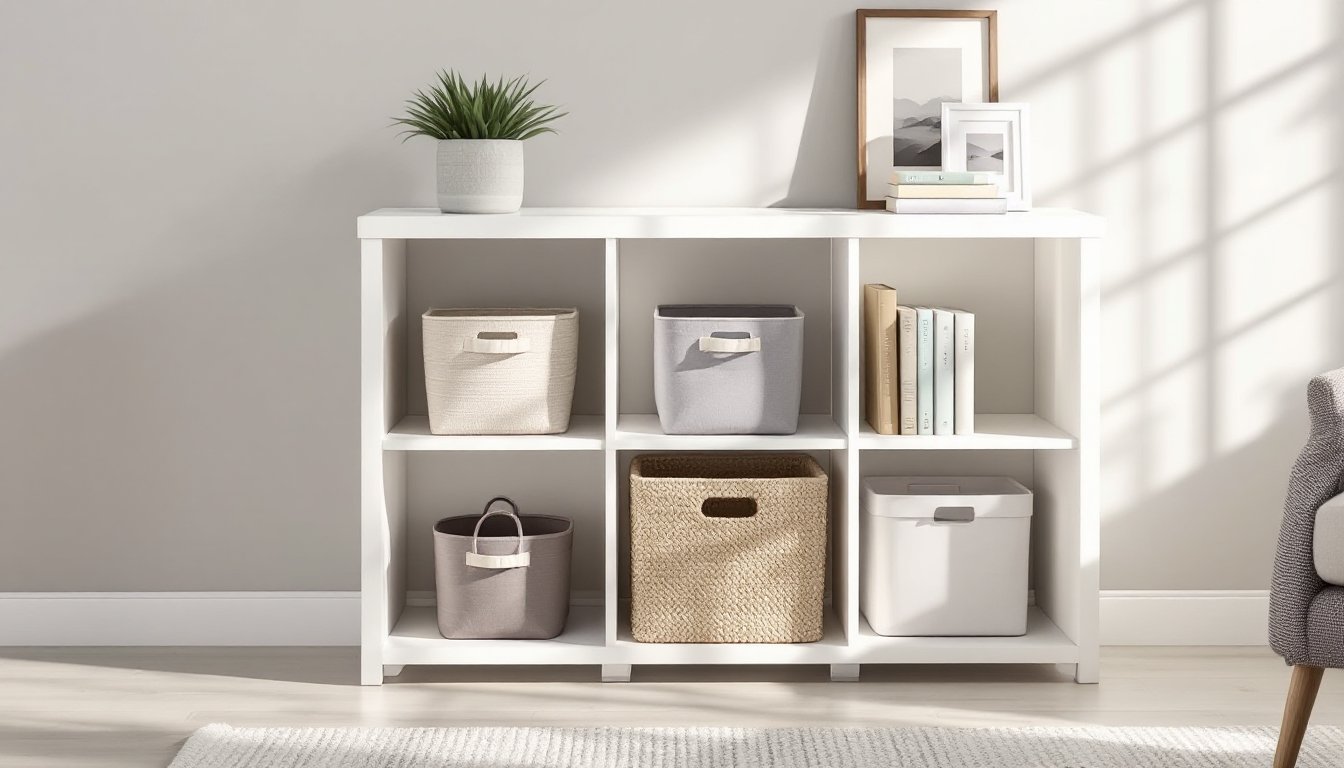
Custom built-ins maximize every inch, especially in awkward spaces like under-stair alcoves, beside chimneys, or in narrow hallways. A simple plywood shelf unit anchored to wall studs can hold as much as a freestanding bookcase but takes up half the floor space.
Start by locating studs with a stud finder, critical in Vancouver’s older lath-and-plaster walls. Use 3/4-inch plywood for shelves spanning more than 24 inches to prevent sagging. For a cleaner look, edge-band the plywood with iron-on veneer or paint with a good-quality primer and semi-gloss finish for durability.
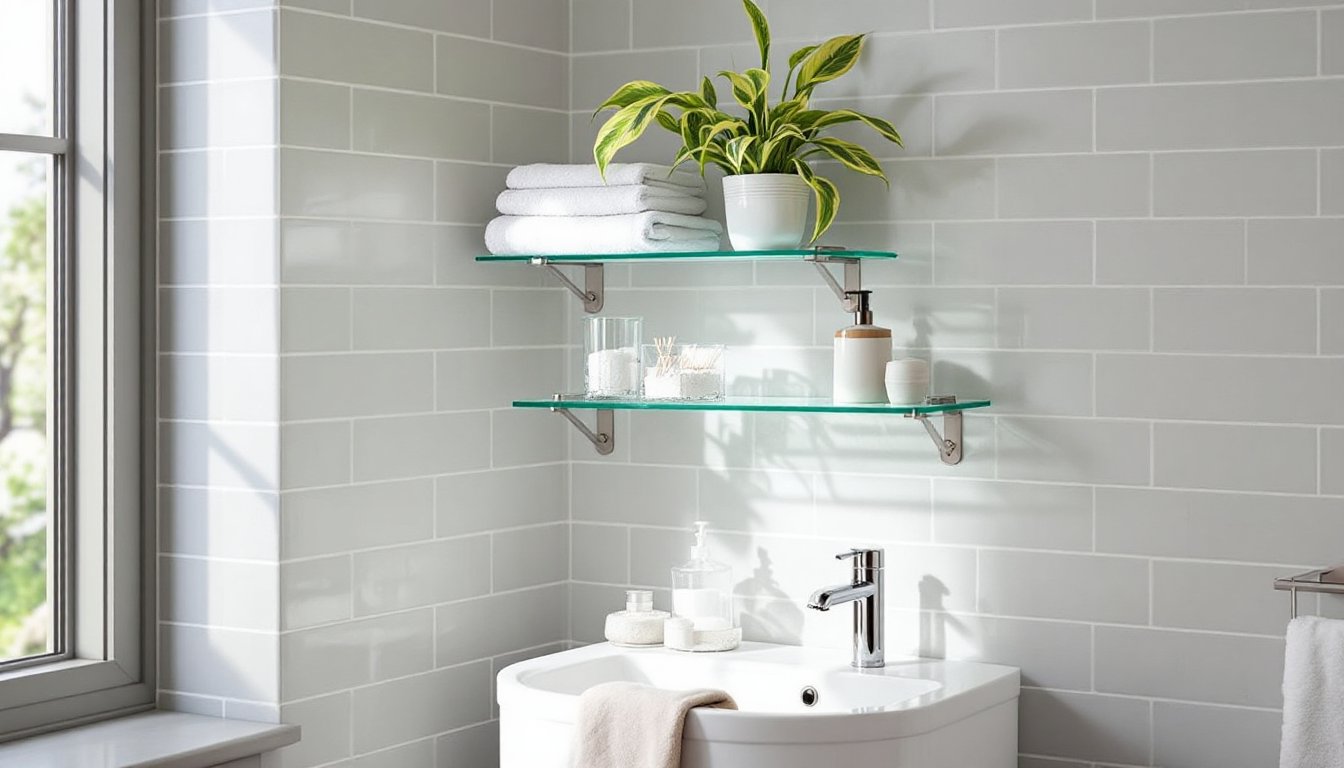
Floating shelves work well in kitchens and bathrooms. Use heavy-duty floating shelf brackets rated for at least 50 pounds per linear foot. In seismic zones, add a small lip or rail to prevent items from sliding off during tremors.
For closets, a simple DIY closet system using 3/4-inch melamine-coated particleboard and adjustable shelf pins offers flexibility. Cut shelves to fit using a circular saw with a fine-tooth blade (or a track saw for cleaner edges). Anchor the vertical supports directly into studs with 3-inch wood screws.
Be honest about skill level. Cutting dado joints for a more polished shelf unit requires a router or table saw and some patience. If tools are limited, edge-joined butt joints with wood glue and pocket screws using a Kreg Jig deliver solid results without specialized equipment.
Vertical Storage Ideas for Maximizing Space
When floor space is scarce, go vertical. Wall-mounted systems take advantage of the 8- to 10-foot ceilings common in Vancouver homes.
Pegboard walls are a DIY classic. Install 1/4-inch pegboard over 1×2 furring strips to create the gap needed for hooks. Anchor the furring strips into studs every 16 inches. Pegboard works in garages, workshops, mudrooms, and even kitchens for pot and utensil storage. The beauty is flexibility, rearrange hooks and bins as needs change.
Slatwall panels are a step up, offering a cleaner look and higher weight capacity. They’re popular in garage organization setups and handle heavier gear like tools and sports equipment.
Overhead garage storage racks make use of ceiling space. Look for units rated to hold 600 pounds and install them into ceiling joists, not just drywall. In Vancouver’s seismic zone, add safety cables as a backup.
For tight spaces like laundry rooms or pantries, over-the-door organizers and wall-mounted baskets add storage without permanent modifications, ideal for renters. Modular systems using stackable bins let you adjust as inventory changes and make it easy to access seasonal items.
Don’t overlook the back of closet doors. A few mounted hooks or a slim wire rack can hold shoes, cleaning supplies, or accessories. Just make sure the door hinges can handle the added weight, older hollow-core doors may need reinforcement or replacement with a solid-core option.
Room-by-Room Storage Solutions for Vancouver Homes
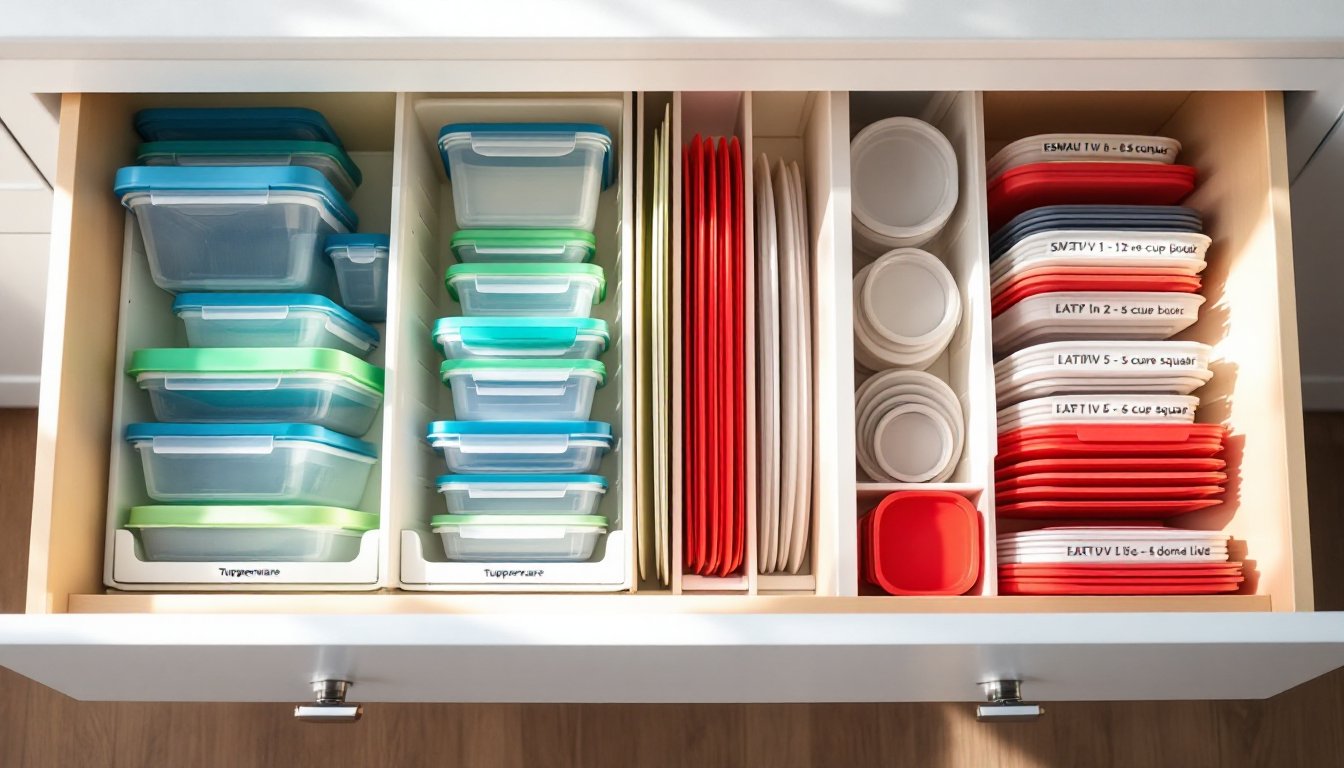
Kitchen: Small Vancouver kitchens benefit from pull-out shelving in lower cabinets. A simple DIY version uses drawer slides rated for 100 pounds and a plywood base. This brings items at the back within reach and eliminates dead space. Magnetic knife strips, wall-mounted spice racks, and under-cabinet hooks free up counter and drawer space. Experts at The Kitchn often recommend vertical dividers in cabinets for storing baking sheets and cutting boards upright.
Bathroom: Vanity organizers and over-toilet shelving units add storage without a full remodel. If building a simple shelf unit above the toilet, anchor it into the studs behind the drywall. Use moisture-resistant MDF or plywood and seal all edges with paint to prevent water damage. Tension-mounted corner caddies in showers avoid drilling tile, which can compromise waterproofing.
Bedroom: Under-bed storage is prime real estate. Either buy or build rolling storage boxes using 1/2-inch plywood and locking caster wheels. For walk-in closets, double-hang rods for shirts and pants maximize vertical space. Add a shelf above the top rod for bins holding out-of-season clothing. Even small apartment bedrooms can gain function from well-planned closet layouts.
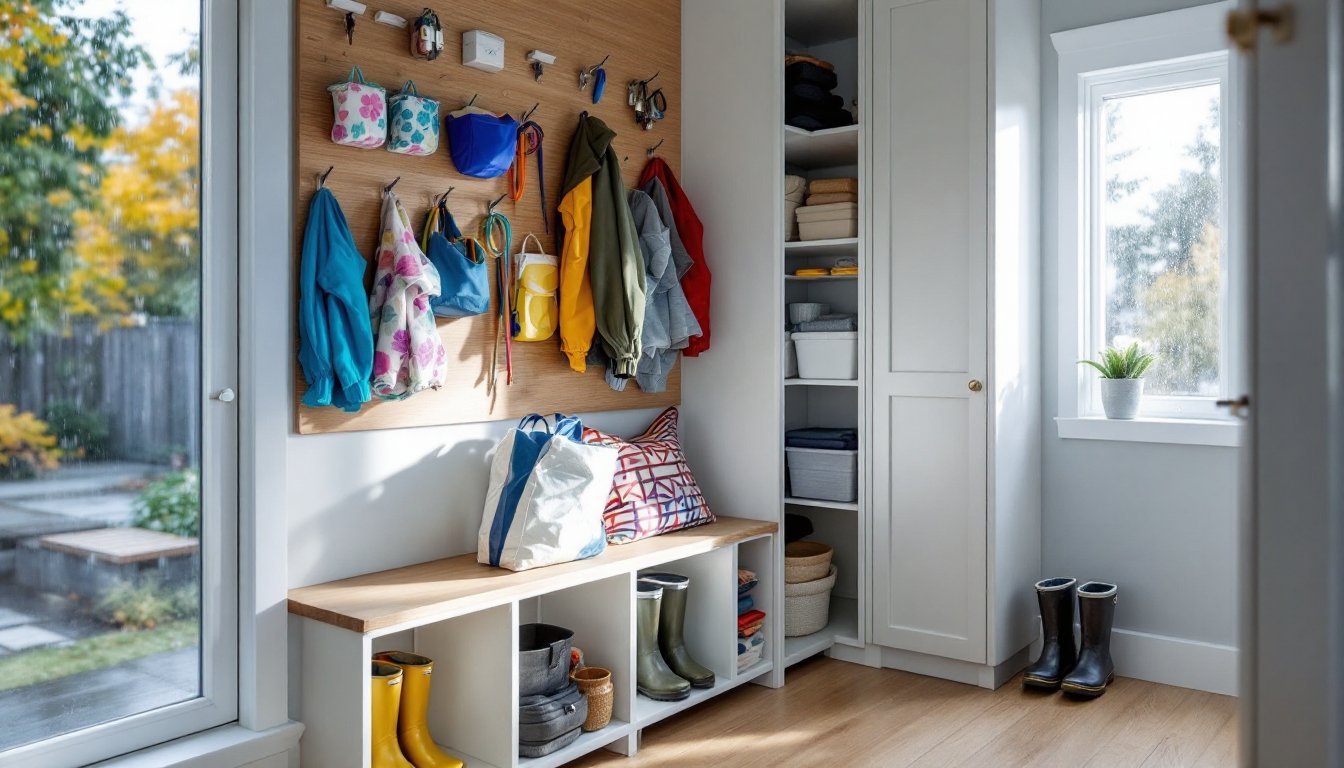
Entryway/Mudroom: Vancouver’s wet climate demands a dedicated drop zone. A simple bench with cubbies underneath, built from 2×4 framing and 3/4-inch plywood, provides seating and hidden storage for boots and bags. Wall-mounted coat hooks, a shallow shelf for keys, and a boot tray complete the setup. If space allows, a narrow floor-to-ceiling cabinet keeps umbrellas, dog leashes, and reusable shopping bags corralled.
Living Room: Built-in media units or bookcases around a TV create storage and visual interest. Use pocket holes or biscuit joints for cleaner assembly. If the unit will hold heavy books or equipment, ensure shelves are supported every 24 inches and anchored to studs. Floating cabinets mounted at desk height can serve as a compact home office zone.
Attic/Basement: These spaces often become dumping grounds. Proper attic storage solutions include sturdy shelving anchored to rafters and clearly labeled plastic bins to keep contents dry and visible. In basements, keep storage off the floor using wire shelving to allow air circulation and prevent moisture damage.
Professional Storage Solutions and Local Vancouver Resources
Some storage challenges are best left to pros. Structural modifications, like removing a wall to add a walk-in closet or building a floor-to-ceiling built-in that integrates electrical or plumbing, often require permits and licensed contractors. The City of Vancouver requires building permits for work that affects structural integrity or building systems.
Custom closet companies can design systems that maximize every inch of awkward spaces. While pricier than DIY, they offer hardware, finishes, and configurations that aren’t easily replicated at home. Expect to pay a premium in Vancouver’s market, but the return in functionality can be worth it for complex layouts.
For homeowners who need temporary or overflow storage, off-site options like storage locker rental provide climate-controlled space without sacrificing square footage at home. This is especially useful during renovations or for seasonal gear.
Shopping locally supports Vancouver businesses and reduces lead times. Home improvement retailers in the Lower Mainland stock dimensional lumber, plywood, melamine, and hardware. For sustainable storage options, look for FSC-certified wood and low-VOC finishes, Vancouver’s green building culture makes these easier to find.
Periodic sales and promotions can ease budget concerns, especially for pricier materials like hardwood or pre-finished plywood. Comparing prices and watching for storage deals on bins, shelving units, and hardware can stretch a project budget further.
When in doubt, consult a designer or contractor before starting major work. An hour of professional advice can save costly mistakes, especially in older homes where framing, electrical, or plumbing may not be where expected.
Conclusion
Vancouver’s unique housing and climate demands smart, durable storage that works with limited space and wet-weather realities. Whether building custom shelving, installing vertical systems, or calling in a pro for structural work, the key is planning around how the home is actually used. Measure twice, anchor into studs, and don’t skip the prep work, those steps separate storage that lasts from projects that sag or fail in a year.