A queen murphy bed with storage delivers dual-purpose functionality that’s tough to beat, especially in rooms where every square foot counts. Whether it’s a home office that doubles as a guest room, a studio apartment, or a teenager’s bedroom crammed with gear, a murphy bed folds up and away when not in use, freeing floor space for daytime activities. Add integrated storage into the equation, and the setup becomes even more valuable. These aren’t the clunky, spring-loaded contraptions your grandparents wrestled with: modern murphy beds use reliable piston mechanisms and include built-in cabinetry that turns a wall into a multifunctional furniture system.
Table of Contents
ToggleKey Takeaways
- A queen murphy bed with storage reclaims 20–30 square feet of usable floor space while eliminating the need for separate dressers or bookcases, making it ideal for small apartments, studios, and multipurpose rooms.
- Modern piston-lift mechanisms require minimal effort (15–30 pounds of force) and are rated for thousands of cycles, unlike older spring-loaded designs, so choosing quality mechanisms ensures longevity and daily usability.
- A queen murphy bed with storage offers resale appeal by signaling smart space utilization, which is particularly valuable in urban markets where square footage commands a premium.
- Storage options include built-in shelving, cabinets, under-bed drawers, and fold-down desks—all accessible whether the bed is raised or lowered, helping consolidate furniture and reduce visual clutter.
- DIY kits save money and allow customization but require table saws and woodworking confidence, while pre-assembled units cost $1,500–$4,000 and arrive ready to install.
- Proper installation requires wall-stud anchoring, leveling, a stud finder, and a 4-foot level; hiring a professional ($300–$800) is recommended for uncertain wall structures or older homes.
What Is a Queen Murphy Bed With Storage and Why You Need One
A queen murphy bed with storage is a wall-mounted bed that pivots upward into a cabinet when not in use. The queen size (60″ × 80″ sleeping surface) fits most adults comfortably and is the most popular option for guest rooms and multipurpose spaces. What sets it apart from a standard murphy bed is the integrated storage, shelving, cabinets, or drawers built into the frame or surrounding unit.
The mechanism relies on counterbalance pistons or spring systems to make lifting and lowering the bed manageable. High-quality pistons are rated for thousands of cycles and require minimal effort, even for one person. Cheaper spring mechanisms can be harder to operate and wear out faster, so the mechanism type matters if longevity is a priority.
Why choose this setup? It reclaims 20–30 square feet of floor space when the bed is stowed, enough room for a desk, yoga mat, or play area. In a 150-square-foot bedroom, that’s a significant percentage. The storage component eliminates the need for separate dressers or bookcases, which further reduces furniture footprint. This configuration works well in condos, tiny homes, ADUs (accessory dwelling units), and anywhere zoning or layout limits furniture options.
Key Benefits of Choosing a Queen Murphy Bed With Storage
Floor space flexibility is the headline benefit. When the bed folds up, the room transforms from a bedroom into a functional workspace, gym, or playroom. This works especially well in homes where dedicated guest rooms sit empty most of the year, why lock up square footage when it can serve multiple purposes?
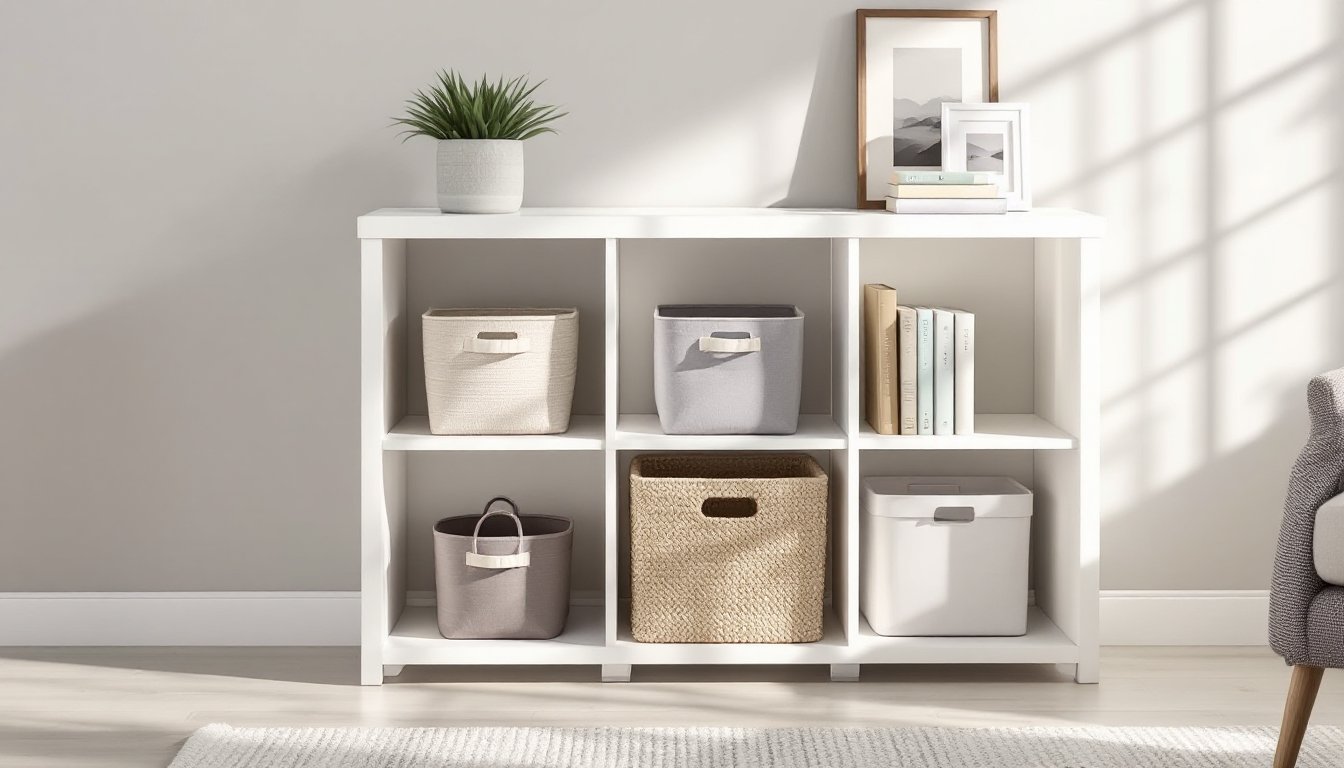
Integrated storage means fewer furniture pieces cluttering the room. Shelving flanking the bed can hold books, decor, or linens. Cabinets with doors keep clutter out of sight. Some units include cubbies sized for baskets or bins, which are handy for seasonal clothing or bedding. This consolidation reduces visual clutter and simplifies cleaning, no dust bunnies under a freestanding dresser.
Resale appeal is another consideration. Buyers and renters increasingly value flexible spaces, especially in urban markets where square footage commands a premium. A well-installed murphy bed signals smart use of space and can be a selling point in listings. If the unit is high-quality and matches the room’s finish, it reads as a built-in feature rather than aftermarket furniture.
Ease of use has improved dramatically. Modern piston-lift mechanisms require about 15–30 pounds of force to raise or lower a queen bed, comparable to lifting a bag of dog food. Soft-close features prevent slamming. Some models include legs that auto-deploy when the bed is lowered, so there’s no fumbling with kickstands. These details matter for daily use, especially if the bed is raised and lowered frequently.
Types of Storage Options in Queen Murphy Beds
Storage configurations vary widely. Understanding the options helps match the unit to the room’s needs and the household’s storage demands.
Built-In Shelving and Cabinets
Most queen murphy beds with storage feature vertical shelving or cabinets flanking the bed. These units typically extend from floor to ceiling, maximizing storage density. Open shelves work well for books, plants, or decorative items. Closed cabinets with doors are better for hiding clutter, think extra pillows, out-of-season clothes, or office supplies.
Shelf depth is usually 10–14 inches to keep the overall footprint manageable. Adjustable shelves add flexibility for storing items of varying heights. Some designs include a fold-down desk integrated into the bed’s lower panel, which is useful in home offices. When the bed is up, the desk is accessible: when the bed is down, the desk folds away.
Cabinet doors come in various styles, flat-panel, shaker, or glass-front, to match room aesthetics. Soft-close hinges are worth the upgrade if the bed will be used daily: they reduce wear and noise. For DIYers exploring custom builds, resources like woodworking plans from trusted sources can offer inspiration for cabinet joinery and hardware selection.
Under-Bed Drawers and Compartments
Some murphy bed designs incorporate drawers in the lower portion of the cabinet, below where the mattress sits when folded up. These drawers remain accessible whether the bed is up or down, which is a functional advantage over shelving that gets blocked when the bed is lowered.
Drawer capacity varies. A typical lower-cabinet drawer might be 36–48 inches wide and 12–18 inches deep, enough for folded clothes, linens, or hobby supplies. Drawer slides rated for 75–100 pounds handle heavy loads and extend fully for easy access to items in back.
Another under-bed option is a storage deck, a platform behind the mattress when it’s folded up. This space is accessible only when the bed is raised, so it’s best for items used infrequently, like holiday decorations or luggage. Some kits include netting or straps to secure items in this cavity, preventing them from shifting when the bed moves.
How to Choose the Right Queen Murphy Bed With Storage for Your Space
Start with ceiling height and wall depth. Standard murphy beds require about 16–20 inches of depth from the wall when closed. Measure the wall where the unit will go, check for baseboards, outlets, light switches, and HVAC vents that might interfere. Most units need a clear wall width of at least 90–100 inches for a queen bed with flanking storage.
Ceiling height matters if the storage extends to the ceiling. Rooms with 8-foot ceilings work fine, but taller ceilings (9 or 10 feet) allow for more vertical storage. Ensure there’s clearance for the bed to pivot, about 95 inches of vertical space from floor to ceiling is typical for a queen.
Mechanism type affects both price and usability. Piston-lift systems are easier to operate and last longer than traditional spring mechanisms. Look for pistons rated for at least 10,000 cycles. Some premium models include electric lift mechanisms, which are useful for users with limited strength, though they add cost and require an outlet near the bed.
Mattress compatibility is critical. Murphy beds are designed for specific mattress thicknesses, typically 8–12 inches. Memory foam or hybrid mattresses work well because they’re flexible and lighter than traditional innerspring models. Check the bed’s weight capacity, most queen frames handle 600–800 pounds, including mattress and occupants, but verify specs if the mattress is especially thick or heavy.
Material and finish should match the room’s decor. Laminate or MDF (medium-density fiberboard) units are affordable and available in various finishes, from white to espresso. Solid wood or plywood construction costs more but offers better durability and a premium look. If painting or staining the unit to match trim, choose unfinished wood or primed MDF.
DIY kits vs. pre-assembled units: Kits include the hardware, mechanism, and cutting plans, but the builder supplies and cuts the plywood or MDF. This approach saves money and allows customization, but requires a table saw, drill, and confidence in cutting sheet goods. Pre-assembled or custom-built units arrive ready to install but cost significantly more, often $1,500–$4,000 depending on materials and features. For those comfortable with home repair and furniture projects, a kit can be a rewarding weekend build.
DIY Installation vs. Professional Setup: What to Consider
Installing a queen murphy bed with storage is a two-person job, even for experienced DIYers. The cabinets are heavy, 200–400 pounds for the full assembly, and must be securely anchored to wall studs to handle the dynamic load of a folding bed.
Wall structure is the first consideration. The bed must attach to studs, not just drywall. Standard 16-inch on-center stud spacing works with most murphy bed hardware, which includes heavy-duty brackets or French cleats. If the wall is plaster over lath or has steel studs (common in condos), anchoring is trickier. Toggle bolts or specialized fasteners rated for the load are necessary, and it’s worth consulting the manufacturer’s specs or a structural engineer if unsure.
Leveling and plumb are critical. If the cabinet isn’t perfectly level, the bed won’t close smoothly or may bind. Use a 4-foot level to check both horizontal and vertical alignment during assembly. Shim the base as needed before anchoring to the wall.
Tools required for a typical DIY install include:
- Cordless drill with bits and drivers
- Stud finder (magnetic or electronic)
- Level (4-foot or longer)
- Socket wrench set for mechanism bolts
- Safety glasses and work gloves
- Step ladder or work platform
Some kits require cutting and assembling plywood panels, which adds a circular saw or table saw, clamps, and potentially a nail gun or brad nailer to the tool list. If that’s beyond your shop’s capacity, partnering with a maker space or checking workshop project guides can help bridge the gap.
Permit requirements vary by jurisdiction. In most areas, installing furniture doesn’t require a permit. But, if the installation involves modifying load-bearing walls, relocating electrical outlets, or adding new circuits for an electric lift mechanism, permits may be necessary. Check local building codes before starting.
Professional installation typically costs $300–$800, depending on complexity and region. Pros bring the right tools, experience with the specific hardware, and liability insurance if something goes wrong. If the wall structure is uncertain (older homes, plaster walls, or non-standard framing), hiring a pro reduces risk. Some murphy bed retailers include installation as part of the purchase, which is worth considering if the DIY learning curve feels steep.
Safety note: Always use lockout straps or safety pins when working under or around the bed mechanism during installation. Piston mechanisms store energy and can release unexpectedly if not properly secured. Follow the manufacturer’s installation manual step-by-step, skipping steps or improvising fasteners can compromise safety.