Small spaces have a big problem: stuff multiplies faster than available square footage. Whether it’s craft supplies taking over a desk, fasteners scattered across a workbench, or bathroom essentials crowding a vanity, the chaos creeps in. Mini storage bins are the fix, compact, stackable, and purpose-built to corral the small items that create visual clutter and kill productivity. They’re not glamorous, but they work. And when organized storage means finding the right drill bit in five seconds instead of five minutes, that’s a win worth pursuing.
Table of Contents
ToggleKey Takeaways
- Mini storage bins solve the clutter problem by creating compartmentalized zones that reduce search time and visual chaos across kitchens, bathrooms, garages, and craft rooms.
- Choose the right material for your environment: plastic for durability and moisture resistance, fabric for aesthetic appeal in low-humidity spaces, and metal for heavy-duty workshop and garage applications.
- Measure your space precisely before purchasing mini storage bins, accounting for drawer slides and construction to ensure proper fit with a quarter-inch clearance buffer.
- Match bin access frequency to design: use open-top or stackable bins for daily items, and sealed lids for seasonal storage or dusty/humid environments to protect contents.
- Customize mini storage bins for odd spaces using DIY projects like plywood dividers, pegboard walls, magnetic tins, or upcycled containers to maximize organization flexibility.
- Plan for 10–15% empty space in bins and storage areas to accommodate new items without redesigning your system, ensuring long-term functionality and ease of use.
What Are Mini Storage Bins and Why Do You Need Them?
Mini storage bins are small-scale organizers, typically ranging from 2 to 8 inches in width and designed to hold lightweight, frequently used items. Think drawer dividers, desktop caddies, and modular compartment systems. Unlike full-size totes, these bins fit inside drawers, on shelves, or within cabinets, creating subdivisions that prevent the junk-drawer effect.
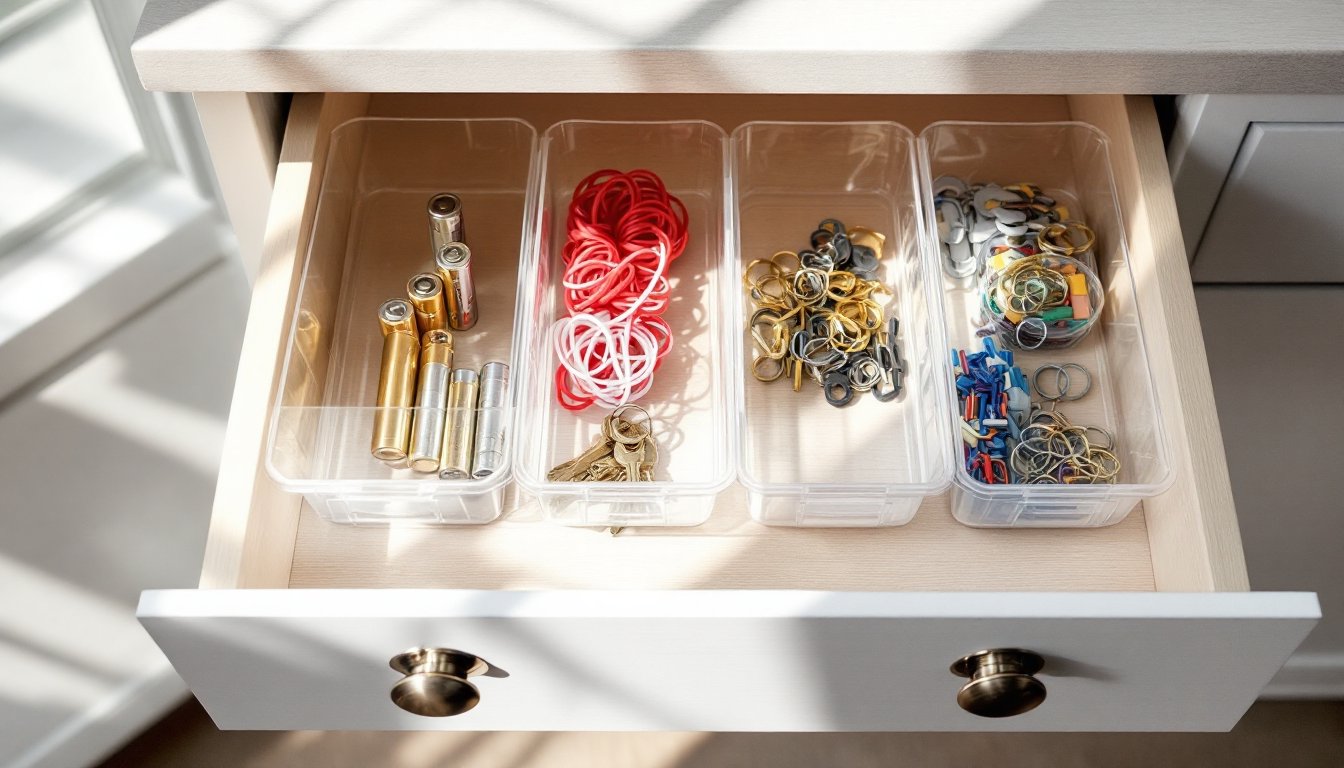
The reason they’re essential comes down to surface area. A standard kitchen drawer measures about 15 inches deep by 18 inches wide. Without dividers, everything migrates to the back or gets buried under the next layer. Mini bins create zones: one for batteries, one for twist ties, one for spare keys. It’s the same principle as a parts organizer in a garage, compartmentalization reduces search time and visual noise.
They’re also modular. Most mini bins are designed to nest or stack, which means the system scales as needs change. A homeowner might start with six bins in a bathroom vanity and expand to twenty in a craft room. The uniformity keeps things tidy, and the flexibility prevents the “one-size-fits-none” problem that plagues fixed organizers.
For DIYers, mini bins solve a specific pain point: hardware storage. Screws, washers, wire nuts, and finish nails are small, easy to lose, and frustrating to sort. A set of compartmentalized bins with removable dividers turns a chaotic pile into a searchable inventory. It’s not glamorous, but it’s the difference between a smooth project and a hardware-store run mid-task.
Types of Mini Storage Bins for Every Space
Choosing the right mini bin means matching material and design to the environment and contents. Here’s the breakdown.
Plastic vs. Fabric vs. Metal Mini Bins
Plastic bins are the workhorse option. They’re durable, easy to clean, and moisture-resistant, making them ideal for bathrooms, kitchens, and garages. Look for polypropylene (PP) or polyethylene (PE), both are impact-resistant and won’t crack under normal use. Clear plastic is great for visibility, while opaque bins hide clutter. Most plastic storage bins are dishwasher-safe, which is a real advantage in high-mess areas like craft rooms or workshop benches.
They come in modular sizes, often designed to fit standard drawer widths (3, 6, 9, or 12 inches). Some systems include snap-together dividers, which let users customize compartment sizes. The downside? Cheap plastic bins can warp over time, especially under heat or heavy loads. Stick with bins rated for the weight and environment.
Fabric bins work best in low-humidity spaces like closets, desks, and living rooms. They’re collapsible, which is handy for seasonal storage, and softer on delicate items like jewelry or electronics accessories. Canvas and felt are common materials. Fabric bins often include reinforced edges or cardboard inserts to maintain shape, but they’re not as rigid as plastic. They also stain easily and aren’t suitable for damp environments or anything greasy.
Fabric shines in aesthetic applications. Linen-look bins blend into bedroom nightstands or entryway consoles without screaming “storage solution.” But for a garage or workshop, they’re impractical, sawdust clings to fabric, and oils soak in.
Metal bins are the heavy-duty choice. Powder-coated steel or galvanized metal bins resist rust and handle rough treatment. They’re common in industrial settings but increasingly popular in home workshops and garages for storing heavier hardware like bolts, anchors, or router bits. Metal bins with magnetic backing can attach directly to metal tool chests or pegboards, saving shelf space.
The trade-off is weight and cost. Metal bins are heavier than plastic equivalents and usually pricier. They’re also prone to denting if dropped on concrete. For most homeowners, plastic handles 80% of needs, but metal earns its keep in high-wear environments.
How to Choose the Right Mini Storage Bins for Your Home
Start by measuring the space, not the stuff. A drawer that’s 14.5 inches wide won’t fit bins designed for a 15-inch opening, manufacturers typically assume nominal dimensions, but drawer interiors often run 0.25 to 0.5 inches narrower after accounting for slides and construction. Measure width, depth, and height, and subtract a quarter-inch for clearance.
Next, consider the contents. Small, uniform items (screws, beads, pills) need compartmentalized bins with dividers. Irregular items (charging cables, small tools, cosmetics) need open bins with enough depth to prevent spilling. For mixed-use storage, look for bins with removable or adjustable dividers, they adapt as needs shift.
Think about access frequency. Items used daily should go in open-top bins or stackable storage where lids don’t slow retrieval. Seasonal or backup supplies can live in lidded bins tucked on higher shelves. Lids also matter in dusty or humid environments, a craft room in a basement benefits from sealed bins to keep moisture out.
Weight capacity matters more than most people think. A plastic bin rated for 2 pounds will bow under a load of metal washers or batteries. Check manufacturer specs, especially for bins holding hardware or tools. Reinforced corners and ribbed construction add strength without bulk.
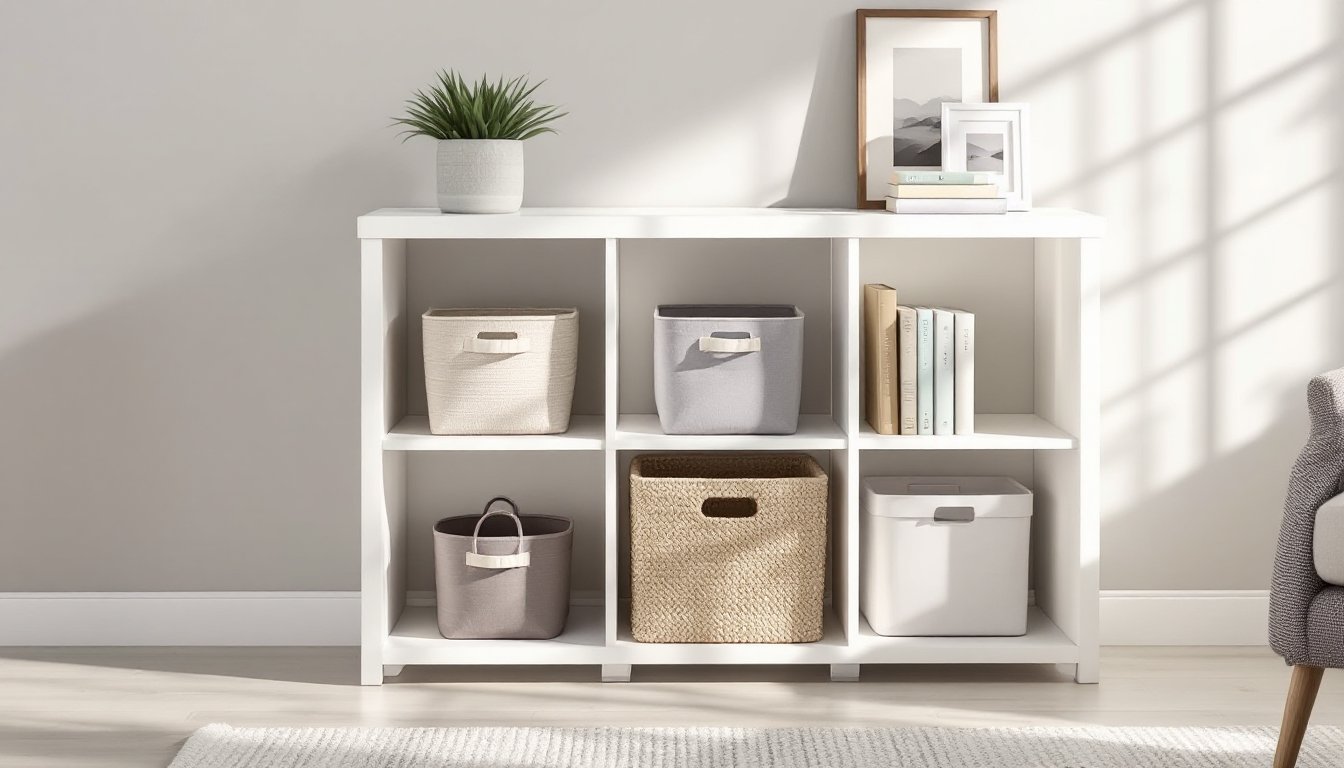
Finally, match the aesthetic to the room’s visibility. Bins inside a closed drawer can be utilitarian clear plastic. Bins on open shelves in a living room or bedroom should coordinate with decor, neutrals, matching colors, or woven textures that blend rather than clash. This isn’t about Pinterest perfection: it’s about whether the system gets used. If bins look out of place, they’ll end up ignored.
Creative Ways to Use Mini Storage Bins Throughout Your Home
Mini bins shine when they’re tailored to the task. Here are proven applications across different rooms.
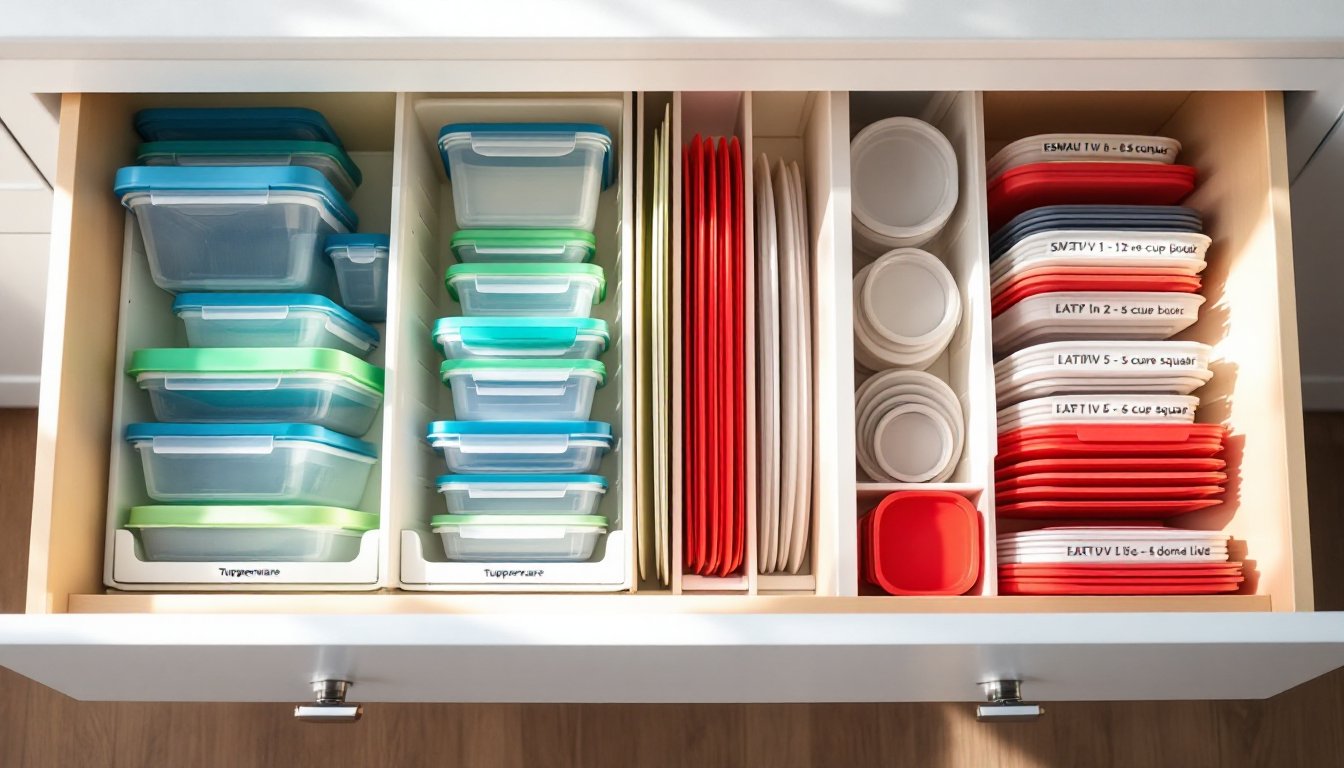
Kitchen drawers: Use bins to separate utensil types (measuring spoons, bag clips, thermometers) or to corral small packets like seasoning mixes, tea bags, or yeast. A 3 x 6-inch bin fits most standard drawers and keeps items from migrating. Mesh or perforated bins improve airflow for items like garlic or onion bags.
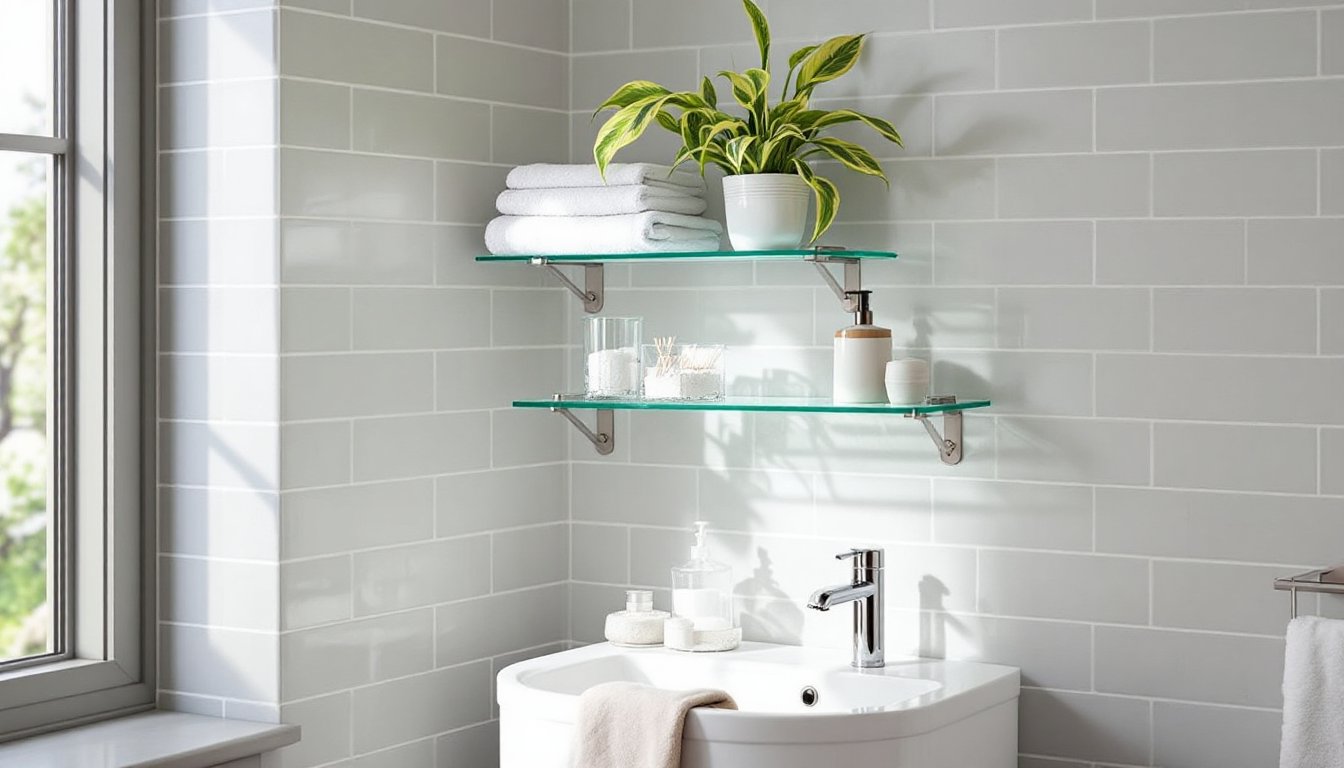
Bathroom vanities: Divide cosmetics, cotton swabs, hair ties, and first-aid supplies. Clear bins let users see inventory at a glance, reducing duplicate purchases. For under-sink storage, use bins to group cleaning supplies by type, one for sponges, one for brushes, one for refills. This also contains spills if a bottle leaks.
Garage and workshop: Hardware storage is the killer app. Use bins with removable dividers to sort screws by size, nails by type, or electrical connectors by gauge. Label bins with a label maker or painter’s tape and permanent marker. Wall-mounted bins (often called bin rails or louvered panels) keep frequently used fasteners at eye level. For more ideas on maximizing workshop space, small-space storage solutions offer practical tactics for tight areas.
Craft rooms and home offices: Mini bins tame supplies like paper clips, pushpins, rubber bands, and stamps. Drawer inserts with varied compartment sizes adapt to mixed supplies. Desktop organizers with tiered bins keep frequently used items (pens, sticky notes, scissors) accessible without cluttering the work surface.
Closets: Use bins for accessories, belts, scarves, socks, jewelry. Shallow bins (under 2 inches tall) work well on closet shelves or in dresser drawers. Velvet-lined bins protect delicate items like watches or earrings.
Laundry rooms: Bins can hold dryer sheets, stain sticks, measuring cups for detergent, and lint rollers. A small bin on top of the dryer keeps missing socks corralled until their mates surface.
Kids’ rooms: Mini bins organize small toys (LEGO pieces, action figures, doll accessories). Clear bins help kids identify contents without dumping everything. Labeling with pictures instead of words works for younger children.
The pattern across all these uses is the same: mini bins create boundaries that prevent cross-contamination and visual chaos. They’re not magic, but they’re reliable.
DIY Mini Storage Bin Organization Projects
Off-the-shelf bins work fine, but custom solutions fit odd spaces and specific needs. Here are three DIY-friendly projects.
Custom drawer dividers: If store-bought bins don’t fit a drawer’s dimensions, build dividers from 1/4-inch plywood or hardboard. Measure drawer interior dimensions, then cut dividers to create a grid. Use a table saw or circular saw for straight cuts. Dividers can sit loose (friction-fit) or be secured with small dabs of hot glue or double-sided tape. For a cleaner look, dado grooves into the dividers so they interlock. This is more work but creates a rigid, rattle-free system.
Pegboard bin wall: Mount a 1/4-inch pegboard panel to a garage or workshop wall using 1-inch spacers (furring strips or pegboard-specific standoffs) to create clearance for hooks. Pegboard hooks come in dozens of styles, including bin holders designed for small plastic bins. This system is endlessly reconfigurable, bins move as projects change. Pegboard also accepts tool hooks, shelf brackets, and accessory holders, making it a multitasker.
Secure pegboard to wall studs with 3-inch screws for stability, especially if loading it with metal bins or heavy hardware. Paint the pegboard to match the room, or leave it natural if it’s in a utilitarian space.
Magnetic spice tin storage: Repurpose small metal tins (like those used for mints or cosmetics) as magnetic mini bins. Attach adhesive-backed magnets (available at craft stores) to the bottom of each tin. Mount a sheet metal panel or magnetic strip on a wall, inside a cabinet door, or on the side of a metal tool chest. Fill tins with small items: screws, push pins, beads, spices, or craft supplies. Label lids with a paint pen or printed labels.
This works especially well in small workshops or craft areas where wall space is at a premium. The tins are shallow, so they’re best for items under 1 inch tall. Apartment Therapy often features similar hacks for maximizing vertical storage in tight quarters.
Upcycled container bins: Cardboard boxes, jars, or small food containers (like yogurt cups or take-out containers) can serve as drawer dividers in low-wear areas. Cut cardboard boxes to height, cover with contact paper or fabric for a cleaner look, and arrange them in drawers. This is a zero-cost option that works fine for office supplies, craft materials, or pantry items. It’s not as durable as plastic, but it’s a good trial run before investing in a permanent system.
For shoppers hunting affordable bins, keeping an eye on storage deals can yield bulk discounts on modular systems.
Pro tip: Whatever system is built, leave room for growth. Drawers and shelves should have 10–15% open space to accommodate new items without forcing a redesign. Overstuffed bins defeat the purpose and make retrieval a chore.
Conclusion
Mini storage bins won’t solve every organizational challenge, but they’re the foundation of a functional system. They create boundaries, reduce visual noise, and make retrieval faster. Whether it’s plastic bins in a garage, fabric bins in a closet, or DIY dividers in a desk, the principle is the same: small subdivisions prevent big messes. Measure the space, match the material to the environment, and build a system that adapts as needs change. For further organizing strategies, Martha Stewart’s storage solutions offer additional professional guidance.