Garage packed? Basement overflowing? Seasonal gear eating up closet space? Offsite storage isn’t just for hoarders or folks between moves, it’s become a practical tool for homeowners who need breathing room without expanding their footprint. Whether it’s holiday decorations, tools you only use twice a year, or furniture waiting for that future rec room, getting stuff off-property can reclaim square footage fast. This guide breaks down what offsite storage actually involves, which type fits different situations, and how to do it without wasting money or ending up with a moldy mess six months later.
Table of Contents
ToggleKey Takeaways
- Offsite storage solutions work best with clear intention—seasonal rotation, renovations, downsizing, or hobby overflow—not as permanent homes for forgotten items.
- Self-storage units offer 24/7 access and climate control for sensitive items, while mobile containers provide convenience for moves and renovations but cost more for frequent access.
- Proper prep work including cleaning, disassembly, clear labeling, and climate acclimation prevents mold, pest damage, and ruined belongings that eliminate cost savings.
- Right-sizing your unit and prepaying for 6–12 months can reduce costs by 10–15%, while shopping during off-peak months (January–March, September–October) locks in better rates than peak moving season.
- Protect vulnerable items like electronics, wood furniture, and photographs with climate-controlled offsite storage and breathable covers, avoiding plastic sheeting that traps moisture.
- Review your stored items every six months and be prepared to purge unused belongings—treat offsite storage as a temporary tool, not a long-term solution for indecision.
What Are Offsite Storage Solutions and Why Do Homeowners Need Them?
Offsite storage means renting space somewhere other than your property to stash belongings. It’s not onsite (like a shed you build in the backyard) and it’s not selling or donating, it’s paying someone else to house your stuff in a secure, climate-controlled or basic warehouse-style environment.
Homeowners turn to offsite options for a few common reasons:
• Seasonal gear rotation: Winter tires, camping equipment, and holiday decorations take up room 9–10 months a year. Offsite storage keeps them accessible but out of the way.
• Renovation or remodeling projects: Protecting furniture and belongings during a kitchen gut or whole-house repaint prevents dust damage and gives contractors elbow room.
• Downsizing or estate transitions: Moving from a four-bedroom to a condo? Offsite storage buys time to sort, sell, or distribute items without rushing decisions.
• Hobby and tool overflow: Woodworkers, mechanics, and DIYers accumulate equipment that outgrows the garage. A storage locker rental can act as an offsite workshop extension.
• Life transitions: Job relocation, temporary housing, or caring for aging parents often creates a gap where belongings need a landing spot.
The key is intention. Offsite storage works when there’s a plan, seasonal swap, active project support, or short-term bridge. It becomes a money pit when it turns into “out of sight, out of mind” limbo for stuff you’ll never use again.
Types of Offsite Storage Solutions Available Today
Not all offsite storage is created equal. The two dominant models, self-storage units and mobile containers, serve different needs, budgets, and access patterns.
Self-Storage Units
Self-storage facilities are purpose-built warehouses with rentable units ranging from 5×5 feet (about the size of a walk-in closet) to 10×30 feet or larger (fits a multi-bedroom house). You drive to the facility, unlock your unit, and manage loading and unloading yourself.
Key features:
• Climate control: Indoor units maintain temperature and humidity, critical for electronics, wood furniture, photos, and fabric. Expect to pay 15–25% more than non-climate units.
• Security: Gated access, surveillance cameras, and individual unit locks. Some facilities offer insurance packages, but read the fine print, they often cap coverage low.
• Access hours: 24/7 access is common at modern facilities: older or budget sites may restrict hours.
• Size flexibility: Easy to upsize or downsize as needs change, usually with 30-day notice.
Self-storage works well for long-term needs (six months or more), frequent access scenarios, or when you’re storing heavy items like tools and you want to retrieve them on your own schedule. If you’re comparing options, storage deals often pop up during off-peak months (January–March, September–October).
Mobile Storage Containers
Mobile storage containers (brands like PODS, U-Pack, or 1-800-PACK-RAT) get delivered to your driveway. You load at your pace, then the company picks up the container and either stores it at their facility or delivers it to a new address.
Key features:
• Convenience: Load once, no need to rent a truck or make multiple trips to a facility.
• Dual-purpose: Works as both storage and a moving solution if you’re relocating.
• Container sizes: Typically 7, 12, or 16 feet long. A 16-foot container holds roughly the contents of a two-bedroom home.
• Weatherproofing: Containers are built for outdoor use, but they’re not climate-controlled unless you pay extra or the facility offers indoor storage.
• Loading window: Most companies allow the container to sit on your property for a few days to a week before pickup. Street parking may require a permit depending on local ordinances.
Mobile containers shine during moves, renovations with a hard deadline, or when you need flexible delivery timing. They’re less ideal if you need to access items frequently, you’d have to schedule delivery each time, which adds cost and hassle.
For specialty needs, niche options exist. Vehicle storage solutions cater to RVs, boats, and classic cars. Sustainable storage facilities use solar power, reclaimed materials, or offer eco-friendly packing supplies if that aligns with your values.
How to Choose the Right Offsite Storage Solution for Your Home
Picking the right option comes down to four factors: access frequency, duration, item sensitivity, and budget.
Start with access needs. If you’re pulling out holiday decorations twice a year, a self-storage unit 10 minutes away works fine. If you need tools or materials weekly for an ongoing project, proximity and 24/7 access become non-negotiable. Mobile containers suit one-time loads, think renovation purge or relocation, but are clunky for repeat visits.
Match storage duration to cost structure. Self-storage facilities often discount long-term commitments (six or 12 months prepaid). Month-to-month flexibility costs more but makes sense if your timeline is uncertain. Mobile containers charge per month plus delivery/pickup fees: short stays (one to three months) can be cost-competitive, but costs climb fast beyond that.
Assess what you’re storing. Wood furniture, electronics, fabric, photos, and anything with glue joints need climate control, unregulated heat and humidity cause warping, condensation, mold, and adhesive failure. Metal tools, patio furniture, and plastic bins tolerate temperature swings better. If you’re storing power tools, confirm the facility allows flammable materials like gasoline or aerosol cans (most don’t). Photo storage solutions often demand archival conditions: if you’re preserving prints or negatives, prioritize climate stability.
Location and security. Drive the route during the hours you’d typically access the unit. A facility 30 minutes away feels farther after dark in winter. Check for cameras, adequate lighting, and individual unit alarms if storing high-value items. Read reviews for pest and water damage complaints, both are red flags.
Size it right. Use the facility’s online calculator or ask for a walkthrough. Common mistake: underestimating. A 5×10 unit (50 sq ft) fits a one-bedroom apartment’s contents if you stack smart. A 10×10 handles a two-bedroom home with careful Tetris. A 10×20 accommodates a three- to four-bedroom house or a full garage cleanout. Rent slightly larger than you think, cramming a unit makes retrieval miserable and risks damage.
According to Real Simple’s offsite storage review, matching unit size to actual volume, not just rough estimates, prevents costly upgrades mid-contract.
Preparing and Organizing Items for Offsite Storage
Prep work separates a smooth storage experience from discovering ruined belongings six months in. Skipping this step is like painting without priming, you’ll regret it.
Clean and dry everything. Dirt, food residue, and moisture invite mold, pests, and odors. Wipe down furniture, vacuum upholstery, and ensure fabric items (linens, clothing) are laundered and fully dry. Power tools should be cleaned of sawdust and lightly oiled to prevent rust. Even small amounts of moisture trapped in a sealed unit become a greenhouse for mildew.
Disassemble when possible. Remove table legs, bed frames, and shelving to save space and reduce pressure points. Wrap hardware in labeled baggies and tape them to the corresponding piece. Use furniture pads or moving blankets on wood surfaces, cardboard against finish can cause condensation marks.
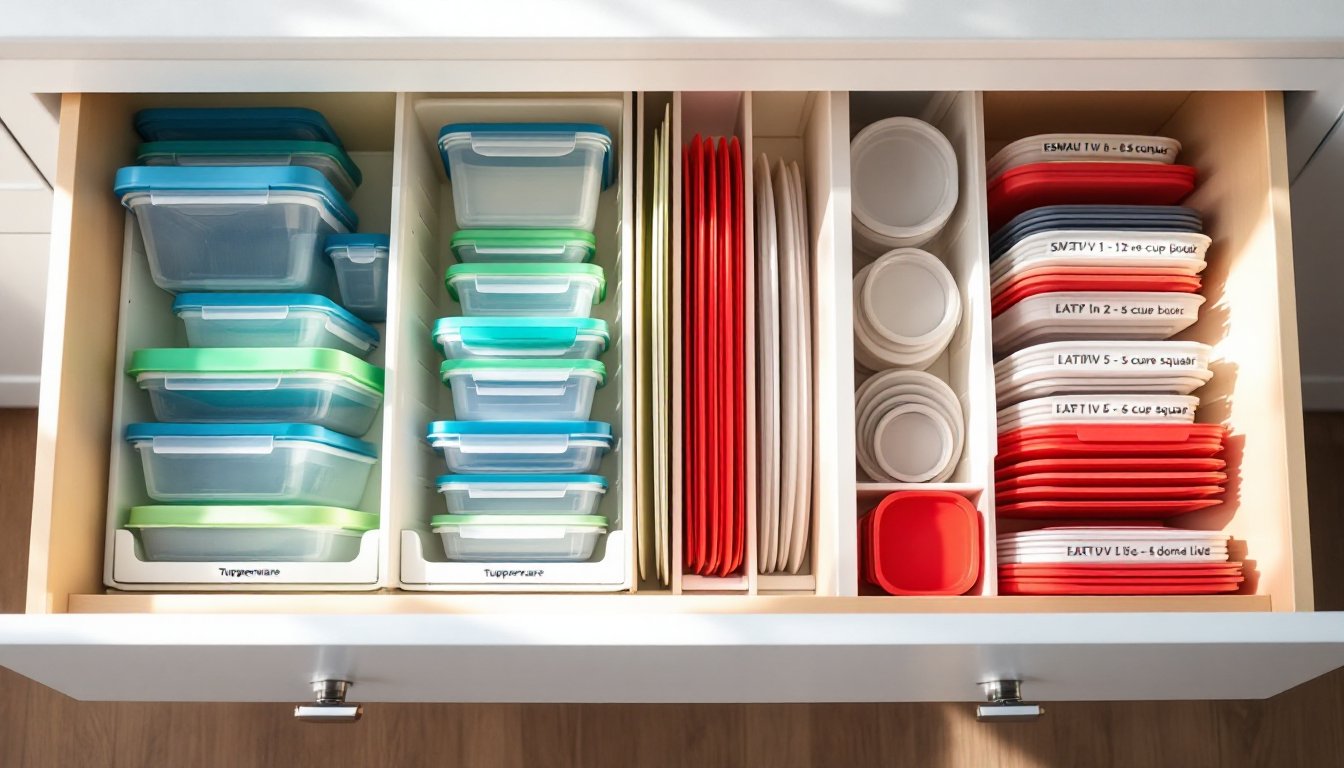
Choose containers wisely. Clear plastic bins with tight-fitting lids beat cardboard every time. They’re rodent-resistant, stackable, and let you see contents without opening. If you must use cardboard, avoid boxes that previously held food, lingering smells attract pests. Label all sides, not just the top: you won’t always have a bird’s-eye view when digging for something.
Protect vulnerable items. Wrap mirrors and glass in bubble wrap, then stand them upright, never flat, where weight can cause cracking. Electronics should be in original boxes if possible: otherwise, wrap in anti-static material and avoid placing heavy items on top. Mattresses and upholstered furniture benefit from breathable covers, not plastic sheeting (which traps moisture).
Create a map and inventory. Sketch a simple diagram of your unit layout and list box contents in a spreadsheet or notebook. Sounds tedious, but it’s the difference between a five-minute retrieval and an hour-long excavation. Store frequently accessed items near the door, seasonal or archival stuff in the back. Leave an aisle down the middle if space allows, future you will thank you.
Safety note: Never store propane tanks, gasoline, paint thinner, or other flammables. Most facilities prohibit them, and it’s a fire hazard. Drain fuel from mowers and generators. Remove batteries from electronics to prevent corrosion.
Don’t skip climate acclimation. If moving items from a heated home into a cold container, condensation can form. Let items come to ambient temperature before sealing bins, especially electronics and wood.
Cost Considerations and Money-Saving Tips
Storage costs vary wildly by region, unit size, and amenities. As of 2026, national averages run $50–$100/month for a 5×10 non-climate unit, $100–$200/month for a 10×10 climate-controlled space, and $200–$400/month for 10×20 or larger. Urban markets (NYC, SF, LA) can double those figures. Mobile containers typically cost $150–$300/month plus delivery fees ($100–$200 each way).
Ways to cut costs without cutting corners:
• Prepay for discounts. Six- or 12-month prepayment often nets 10–15% off the monthly rate. Only do this if you’re certain of the timeline.
• Hunt for promotions. First month free, waived admin fees, or discounted rates for military, seniors, or students. Check aggregator sites or call directly, web pricing isn’t always the best deal.
• Avoid peak season. Demand spikes May–August (moving season) and December (holiday storage). Rent in late winter or early fall for better rates and availability.
• Rightsize ruthlessly. Every extra square foot is money. Measure, stack efficiently, and don’t rent a 10×15 when a 10×10 fits. Use vertical space, sturdy shelving units pay for themselves in reduced unit size.
• Share with a friend or family member. Splitting a larger unit can be cheaper than two small ones, but set clear boundaries and access rules in writing.
• Self-insure if appropriate. Facility insurance is often overpriced and under-covers. Check if your homeowner’s or renter’s policy extends to offsite storage (many do with a rider). Photograph high-value items and keep receipts.
• Purge first, store second. Every item you donate, sell, or trash is space you don’t pay for. Host a garage sale, list on Facebook Marketplace, or take the tax deduction. Storage should be for things you will use, not things you might.
Watch for hidden fees: admin fees, late payment penalties, lock purchases (bring your own disc lock, they’re harder to cut), elevator or cart rental, and insurance opt-outs that require signed waivers. Read the contract. Month-to-month is flexible but pricier: long-term locks in rates but penalties for early termination can sting.
Final pro tip: Set a calendar reminder every six months to reassess. If you haven’t touched something in a year, it’s probably time to let it go. Offsite storage is a tool, not a long-term solution for indecision.
For homeowners juggling multiple projects or downsizing phases, offsite storage can be the difference between a functional living space and a claustrophobic obstacle course. Treat it like any other tool in the home improvement arsenal, use it with intention, maintain it properly, and know when the job’s done.