Bathrooms are often the smallest rooms in a home but hold the most daily-use items, toiletries, towels, cleaning supplies, grooming tools, and medications. Without smart storage, counters pile up, drawers overflow, and mornings turn chaotic. The right bathroom storage accessories transform tight quarters into organized, functional spaces. Whether working with a cramped powder room or a shared family bath, strategic storage keeps essentials accessible without sacrificing floor space or style. This guide covers wall-mounted solutions, countertop organizers, hidden storage options, and weekend DIY projects that homeowners can tackle with basic tools.
Table of Contents
ToggleKey Takeaways
- Bathroom storage accessories prevent water damage, mold, and safety hazards while extending product lifespan and protecting children from sharp objects.
- Wall-mounted solutions like floating shelves, over-the-toilet units, and ladder racks maximize vertical space in small bathrooms without consuming floor area.
- Countertop organizers, drawer dividers, and vanity trays keep daily essentials accessible and organized, reducing morning routine clutter and saving time.
- Hidden storage options like recessed medicine cabinets, toe-kick drawers, and shower niches maintain clean sight lines while keeping necessities within arm’s reach.
- DIY bathroom storage projects using floating shelf brackets, pocket holes, or repurposed items cost $10–$50 and take just a few weekend hours to complete.
- Proper bathroom storage accessories improve home resale value by signaling a well-maintained, functional space that appeals to potential buyers.
Why Bathroom Storage Accessories Are Essential for Modern Homes
Modern bathrooms serve multiple functions beyond basic hygiene. They’re grooming stations, relaxation zones, and often the only private space in a busy household. As product inventories grow, skincare routines, electric toothbrushes, hair tools, first-aid kits, storage needs expand accordingly.
Storage accessories prevent water damage and mold. Items left on wet counters or tub edges deteriorate faster. Proper shelving, caddies, and drawer dividers keep products elevated and dry, extending their lifespan and reducing replacement costs.
They improve safety. Cluttered counters increase the risk of knocking glass bottles into sinks or onto tile floors. Secured wall-mounted storage keeps sharp objects like razors and scissors out of reach of children. Medicine cabinets with locks add another layer of safety for households with kids or guests.
Organized bathrooms save time. The average person spends 30 minutes daily in the bathroom. Fumbling through disorganized drawers or searching behind stacked products wastes minutes that compound over weeks. Designated zones for daily essentials, contact lenses, deodorant, toothpaste, streamline morning and evening routines.
Storage impacts resale value. Buyers scrutinize bathroom functionality during home tours. Built-in shelving, drawer organizers, and thoughtful accessory placement signal a well-maintained home. Even renters benefit: removable storage solutions improve livability without requiring landlord approval or security deposit risk.
Wall-Mounted Storage Solutions That Maximize Vertical Space
Bathrooms rarely offer abundant floor space, making walls prime real estate for storage. Wall-mounted accessories free up counters and vanities while keeping items within arm’s reach.
Floating Shelves and Cabinet Organizers
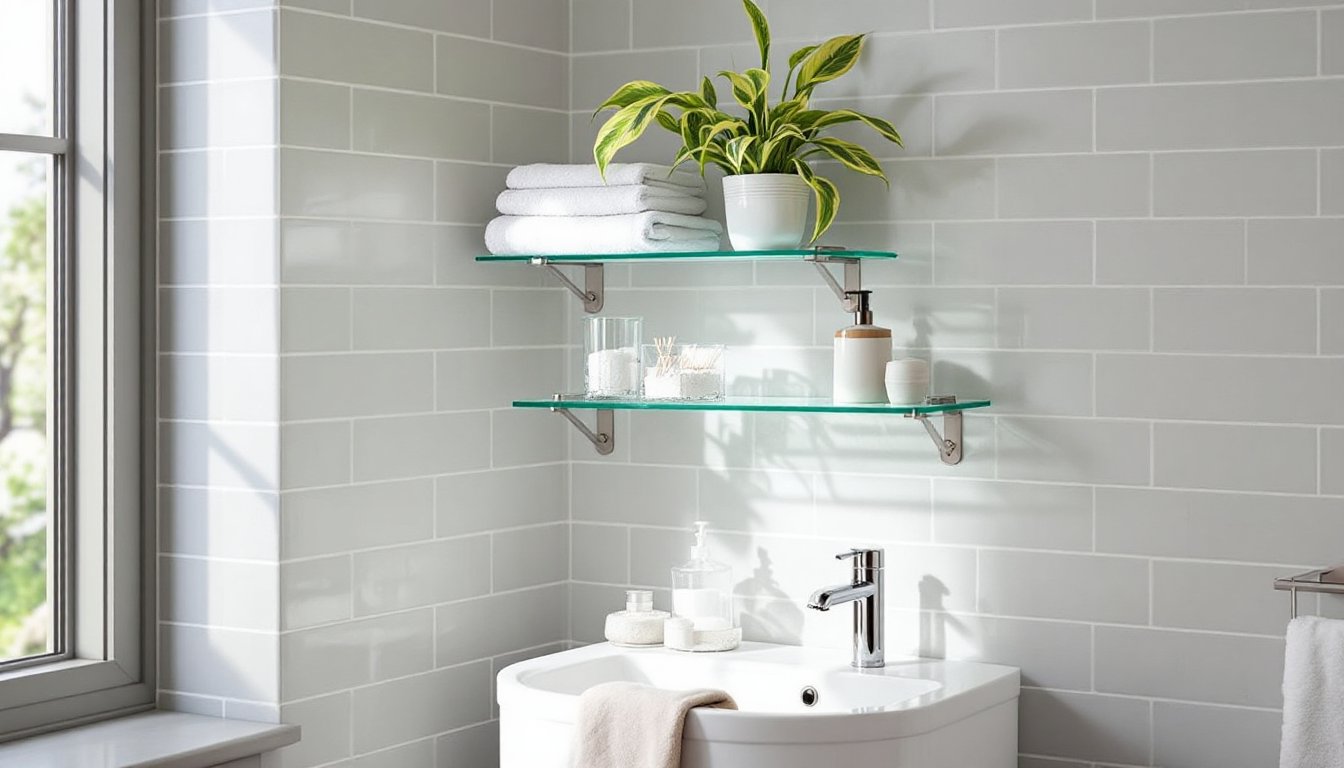
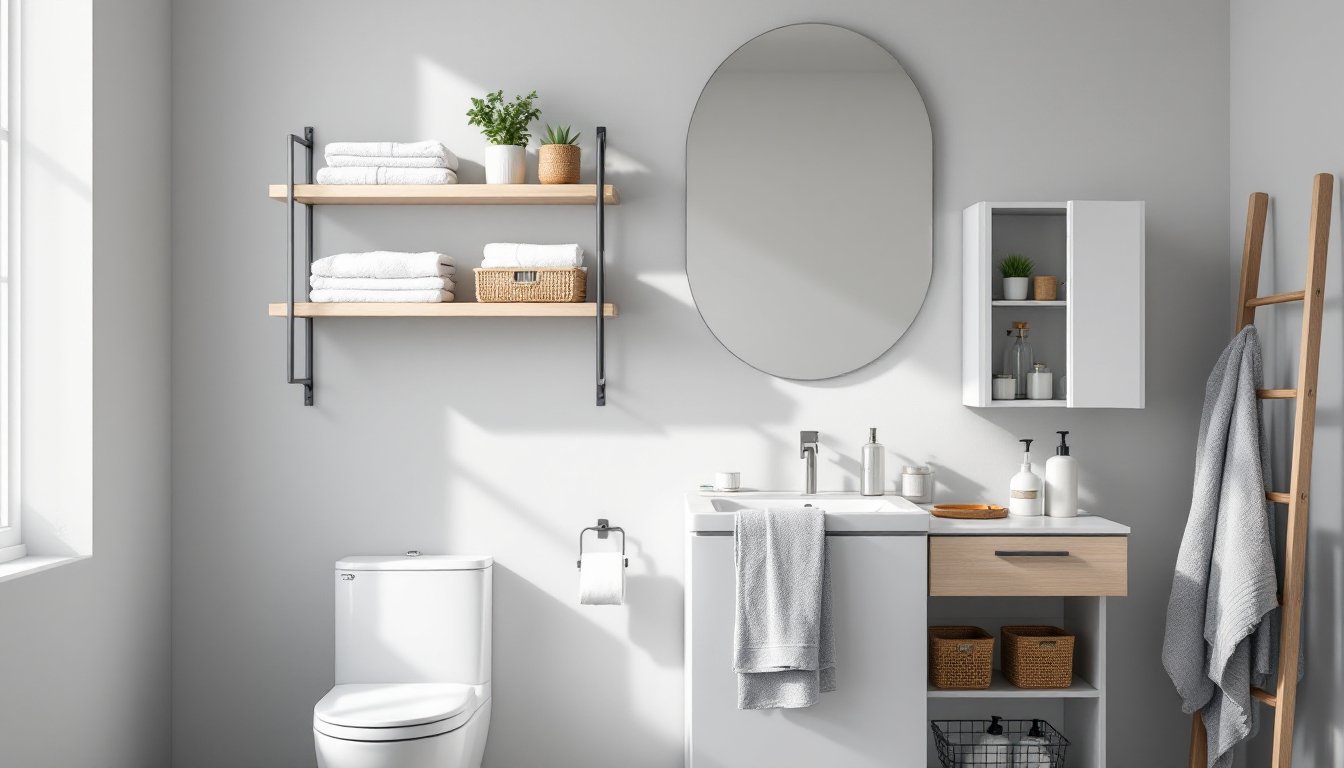
Floating shelves use dead wall space above toilets, beside mirrors, or in shower alcoves. Install shelves made from moisture-resistant materials: sealed hardwood, powder-coated metal, tempered glass, or composite materials rated for high-humidity environments. Standard shelf depth ranges from 4 to 12 inches, deeper shelves hold folded towels and baskets, while shallow ones suit toiletries and decor.
When installing floating shelves, locate wall studs with a stud finder. Drywall anchors rated for 50+ pounds work for lighter loads, but mounting directly into studs (typically 16 inches on center) ensures stability for heavier items. Use a 4-foot level to ensure shelves sit perfectly horizontal: even a slight tilt causes items to slide.
Cabinet door organizers attach to the inside of vanity doors, converting wasted space into storage. Over-the-door racks hold hair tools, cleaning supplies, or extra toiletries. Adhesive hooks and magnetic strips mount without drilling, ideal for renters. For owned homes, screwed-in organizers handle more weight and won’t fail in humid conditions.
Many designers recommend incorporating bathroom storage ideas that balance function with visual appeal, especially in shared spaces.
Over-the-Toilet Storage Units and Ladder Racks
Over-the-toilet units (also called etageres) capitalize on the unused vertical space above the tank. Standard toilet clearances allow 24 to 30 inches of width: measure before purchasing to avoid overhang. These units typically feature two or three open shelves, lower shelves store frequently used items, while upper shelves hold backstock or decorative elements.
Choose units with adjustable feet to accommodate uneven floors, common in older homes. Models with powder-coated steel or aluminum frames resist rust better than untreated metal. Assembly usually requires only a screwdriver and takes 20 to 30 minutes.
Ladder racks lean against walls at an angle, providing open shelving without permanent installation. They work well in rental bathrooms or homes where drilling isn’t desirable. The slanted design keeps towels and baskets from sliding off. Most ladder racks stand 60 to 72 inches tall with three to five rungs spaced 12 to 18 inches apart.
Secure ladder racks to walls using furniture straps or L-brackets if children are present: the angled design can tip if climbed. Position them away from tub edges to prevent accidental water exposure.
Countertop and Vanity Organizers for Daily Essentials
Countertop storage keeps everyday items accessible without creating visual clutter. The key is containment, grouped items in designated trays or caddies look intentional rather than chaotic.
Tiered trays and lazy Susans maximize vertical space on counters. A two or three-tier tray stores skincare products, makeup, or shaving supplies in a small footprint. Lazy Susans (rotating trays) work well in corner vanities or deep cabinets where items get lost in the back. Choose models with raised edges to prevent bottles from spinning off.
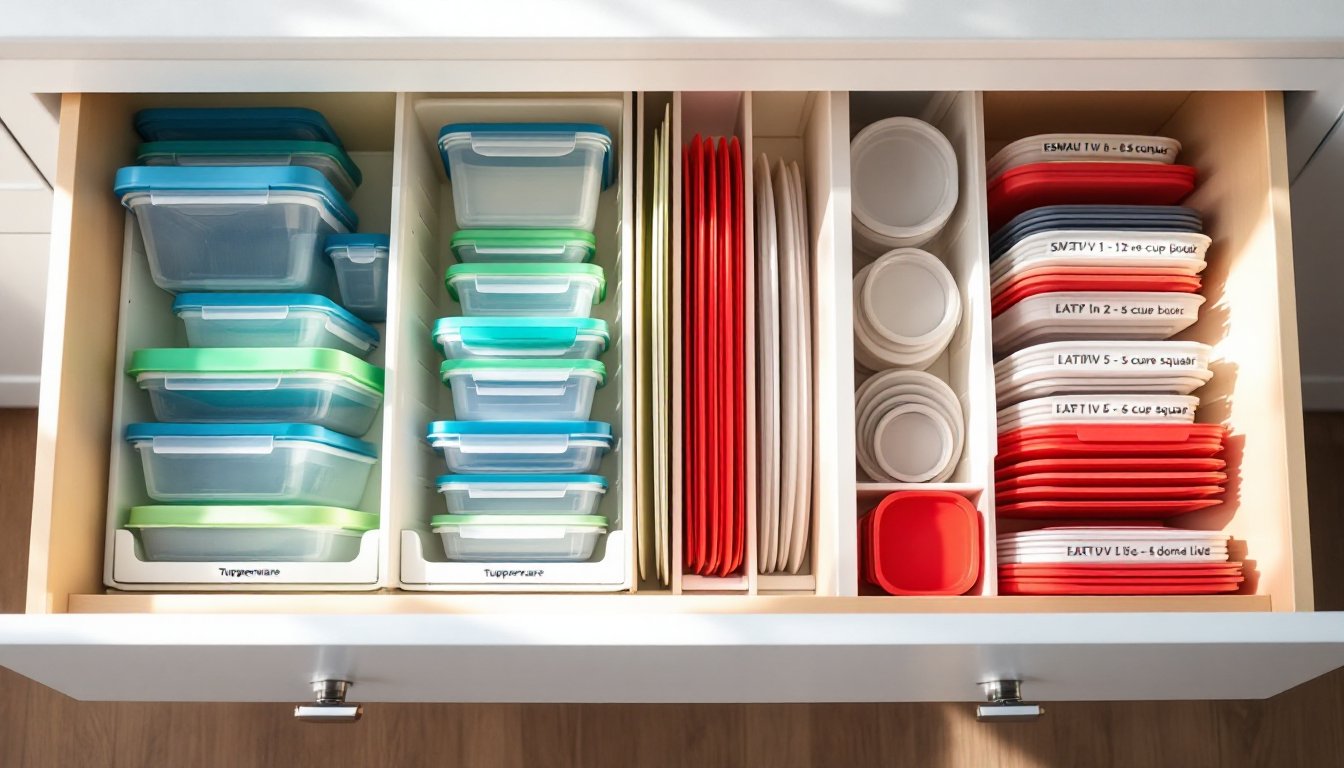
Drawer dividers transform junk drawers into organized zones. Bamboo or acrylic dividers create compartments for small items, hair ties, bobby pins, razors, nail clippers. Measure drawer interior dimensions (length, width, and height) before purchasing. Expandable dividers adjust to fit various drawer sizes, while custom-cut dividers offer a cleaner look. Many bathroom storage accessories feature modular designs that adapt to changing needs.
Toothbrush holders and soap dispensers prevent counter puddles and soap scum buildup. Wall-mounted electric toothbrush chargers keep cords off counters and protect electronics from water splashes. Look for holders with drainage holes at the base: standing water breeds bacteria.
Vanity trays corral perfumes, lotions, and jewelry in one spot. Metal trays resist water damage better than wood or fabric. Mirrored trays add light to dim bathrooms but require frequent cleaning to avoid water spots.
Under-sink organizers tackle the awkward space around plumbing. Adjustable shelves or stackable bins fit around P-traps and shut-off valves. Pull-out drawers on rails maximize accessibility, no more crawling on knees to reach cleaning supplies. Use clear bins to identify contents at a glance.
Hidden Storage Accessories That Keep Clutter Out of Sight
Hidden storage maintains clean sight lines while keeping necessities close. These solutions work especially well in small bathrooms where visual clutter makes spaces feel even tighter.
Recessed medicine cabinets sit flush with the wall, installed between studs. Standard depths range from 3.5 to 4 inches (the depth of a 2×4 stud cavity). Installing a recessed cabinet requires cutting drywall and possibly relocating plumbing or electrical lines, check for wires with a voltage tester before cutting. If the wall contains plumbing or is load-bearing, opt for a surface-mount cabinet instead.
Medicine cabinets with mirrored fronts double as vanity mirrors, eliminating the need for separate fixtures. Models with interior lighting (often LED strips) improve visibility for tasks like applying makeup or shaving. Ensure cabinets have adjustable shelves to accommodate tall bottles.
Toe-kick drawers use the 4-inch space beneath vanity cabinets, typically wasted. These shallow drawers slide out on soft-close rails and store flat items like washcloths, bath mats, or hair tools. Installation requires removing the existing toe-kick panel and mounting drawer hardware to the cabinet frame, a moderate DIY project requiring a drill, level, and measuring tape.
Shower niches are recessed shelves built into tiled shower walls during construction or remodeling. For existing showers, corner caddies or tension-pole organizers offer hidden storage without demolition. Tension poles wedge between tub floor and ceiling, holding multiple baskets at adjustable heights. Choose poles with rubber end caps to prevent scratching tile or tub surfaces.
Behind-the-door storage includes slim cabinets or racks that mount on the back of bathroom doors. These units typically measure 3 to 6 inches deep, enough for toiletries, cleaning supplies, or extra towels. Verify door clearance before installing: the added depth shouldn’t prevent the door from opening fully or hitting the toilet or vanity.
DIY Bathroom Storage Projects You Can Complete This Weekend
Several effective storage solutions require only basic tools and a weekend afternoon. These projects add custom functionality without the cost of hiring contractors.
Build floating shelves from scratch. Use 1×6 or 1×8 pine boards (actual dimensions 0.75×5.5 inches or 0.75×7.25 inches) cut to desired length. Sand edges smooth with 120-grit sandpaper, then apply two coats of water-based polyurethane for moisture protection. Mount with floating shelf brackets (also called blind supports) screwed directly into studs. This project costs $15 to $30 per shelf depending on wood grade and length.
Install a towel ladder. Cut a 2×3 board (actual 1.5×2.5 inches) into two 6-foot lengths for sides and four 18-inch lengths for rungs. Drill pocket holes at rung ends using a pocket hole jig, then assemble with 1.25-inch pocket screws and wood glue. Stain or paint to match bathroom decor. Lean against the wall or secure with L-brackets for stability. Total cost runs $20 to $35.
Create drawer dividers from foam core or thin plywood. Measure drawer interior dimensions, then cut strips to fit using a utility knife (for foam core) or circular saw (for plywood). Arrange strips in a grid pattern, cutting notches where pieces intersect so they slot together. This project costs under $10 and takes about an hour.
Add pull-out baskets under the sink. Purchase wire or plastic baskets with mounting rails from home centers. Remove existing cabinet contents, then install rails on cabinet sides using 3/4-inch screws. Baskets slide in and out like drawers, improving access to cleaning supplies. Most kits cost $25 to $50 and install in under an hour with just a drill and level.
Repurpose everyday items. Mason jars mounted to boards with hose clamps become wall-mounted organizers for cotton balls, swabs, and bath salts. Magnetic knife strips hold metal grooming tools like tweezers and nail clippers. Spice racks meant for kitchens work equally well for essential oils or nail polish.
Homeowners exploring creative storage ideas often discover that simple projects deliver the biggest impact.
Safety note: Always wear safety glasses when cutting wood or drilling. Use a dust mask when sanding. When installing anything on walls, shut off power to nearby outlets and switches if drilling near electrical boxes. Check local building codes: some jurisdictions require permits for modifications involving plumbing or electrical work, even in bathrooms.